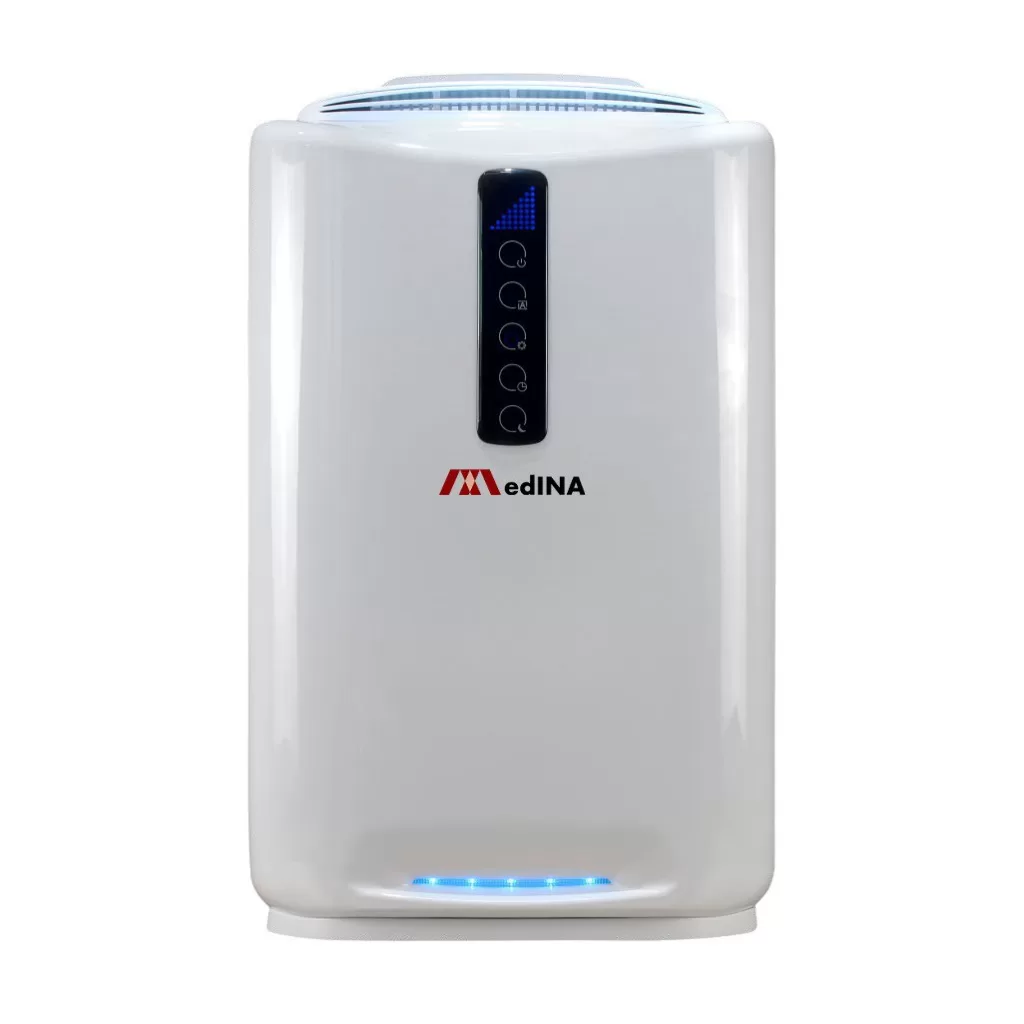
Air quality may plays a crucial role in protecting Human health, especially in indoor environments where people spend most of their time. One of the most effective technologies for improving indoor air quality is the High Efficiency Particulate Air (HEPA) filter.
A HEPA filter is a mechanical air filter designed to capture at least 99.97% of particles that are 0.3 microns in diameter. These filters are made from densely packed fibers that trap particles through interception, impaction, and diffusion. Although viruses are smaller than 0.3 microns, they typically travel in respiratory droplets or aerosols that are large enough to be captured by HEPA filtration systems.
HEPA filters are widely used in Hospitals, Laboratories, Offices, Homes, Airplanes, to reduce airborne contaminants and minimize the spread of infectious diseases.
There are some benefits of HEPA Filters in Preventing Airborne Diseases, such:
1. Effective Removal of Airborne Pathogens
HEPA filters can capture bacteria, viruses (when attached to droplets), fungal spores, and other harmful microorganisms. Diseases such as Covid-19, influenza, and tuberculosis can spread through airborne particles. By filtering these particles from the air, HEPA systems significantly reduce the risk of transmission in enclosed spaces.
2. Protection in High-Risk Environments
HEPA filtration is especially important in Healthcare settings, Isolation rooms, and Clinics. Hospitals use HEPA systems to maintain sterile environments and prevent cross-contamination between Patients and Healthcare workers.
3. Reduction of Aerosol Transmission
Airborne diseases often spread via microscopic droplets released when people cough, sneeze, talk, or breathe. HEPA filters reduce the concentration of these infectious aerosols in indoor air, lowering the likelihood of inhalation by others.
4. Improved Indoor Air Quality
Beyond pathogens, HEPA filters also remove dust, smoke, pollen, and pet dander. Cleaner air strengthens respiratory health and reduces irritation of the airways, making individuals less vulnerable to infections and respiratory complications.
In addition, HEPA filters are commonly used in commercial aircraft, where recirculated air passes through advanced filtration systems to maintain safety during flights.
5. Complementary to Ventilation and Hygiene measures
HEPA filters are not a standalone solution but work best alongside proper ventilation, vaccination programs, mask usage, and hand hygiene. When integrated into a broader infection-control strategy, HEPA filtration significantly enhances overall protection
6. Support for Vulnerable populations
People with weakened immune systems, asthma, allergies, or chronic respiratory conditions benefit greatly from HEPA filtration. By reducing airborne contaminants, HEPA filters help create a safer environment for children, the elderly, and immunocompromised individuals.
HEPA Filters work against Viruses, while individual virus particles may be extremely small, they rarely float freely in the air. Instead, they attach to larger respiratory droplets and aerosol particles. HEPA filters capture these particles efficiently, including those carrying viruses such as SARS-CoV-2.
The effectiveness of HEPA filtration depends on:
- Adequate airflow design
- Proper installation
- Regular maintenance and filter replacement
Without proper maintenance, filtration efficiency can decrease over time.
In conclusion, HEPA filters are a powerful and proven technology for reducing airborne contaminants and preventing the spread of infectious diseases. By capturing harmful particles from indoor air, they help create safer living, working, and healthcare environments. Although they should be combined with other preventive measures, HEPA filters remain one of the most reliable tools for improving air quality and protecting public health. Investing in HEPA filtration is not just about comfort, it is a proactive step toward long term respiratory health and disease prevention. (IW 2302)