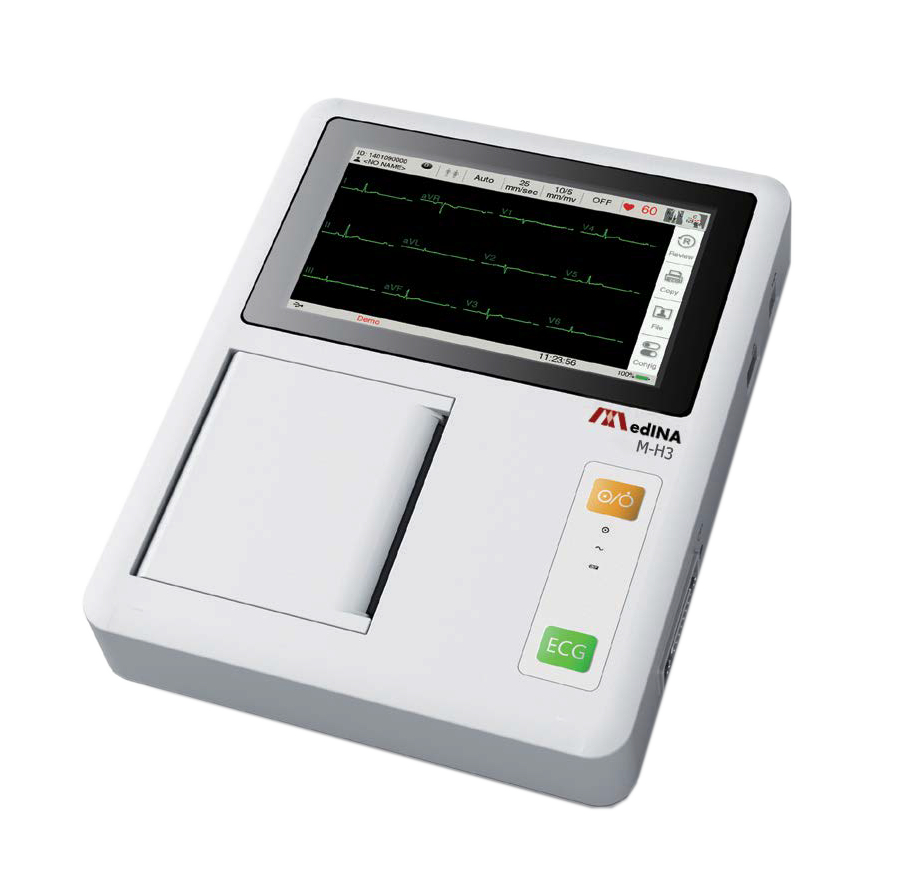
Electrocardiography (ECG) is a fundamental, non invasive diagnostic tool used in the evaluation of chest pain and suspected myocardial ischemia. In patients presenting with Angina pectoris, especially those with underlying Metabolic syndrome, ECG plays a critical role in identifying ischemic changes and diagnosing Acute coronary syndrome (ACS).
Metabolic syndrome significantly increases cardiovascular risk due to its association with insulin resistance, dyslipidemia, hypertension, central obesity, and pro-inflammatory states. These factors accelerate atherosclerosis and predispose patients to coronary artery disease (CAD), unstable angina, and myocardial infarction.
Metabolic syndrome promotes endothelial dysfunction, chronic inflammation, and plaque instability.
These abnormalities contribute to atherosclerotic plaque formation and eventual rupture, leading to ACS. In this setting, ECG becomes an immediate and essential diagnostic modality.
These are the role of Electrocardiography in Angina Related to ACS
1. Early Detection of Myocardial Ischemia
In unstable angina and non–ST-segment elevation myocardial infarction (NSTEMI), ECG may show:
ST-segment depression
T-wave inversion
Transient ST-segment elevation
These changes reflect subendocardial ischemia. In ST-segment elevation myocardial infarction (STEMI), persistent ST-segment elevation indicates transmural ischemia due to complete coronary occlusion.
2. ECG Findings in Patients with Metabolic Syndrome
Patients with metabolic syndrome may demonstrate baseline ECG abnormalities even before overt ACS develops, such as:
Left ventricular hypertrophy (due to chronic hypertension)
QT interval prolongation (associated with insulin resistance and electrolyte imbalance)
Non-specific ST-T changes
Sinus tachycardia
These baseline changes can complicate interpretation during acute ischemic episodes. Therefore, comparison with previous ECGs is important.
3. Risk Stratification
ECG findings provide prognostic information in ACS:
Persistent ST elevation → High risk, requires urgent reperfusion therapy
Dynamic ST changes → Increased risk of adverse cardiac events
New bundle branch block → Possible extensive myocardial injury
Arrhythmias → Increased mortality risk
Patients with metabolic syndrome are more likely to experience multivessel disease and recurrent ischemic events, making ECG monitoring crucial.
Some Advantages of ECG include:
Rapid and widely available
Non-invasive
Cost-effective
Provides immediate information
Essential for ACS diagnosis
However, there are limitations, such as:
May be normal in early ischemia
Non-specific changes in metabolic syndrome
Interpretation affected by baseline abnormalities
Cannot directly visualize coronary anatomy
In conclusion, Electrocardiography remains the cornerstone diagnostic tool for evaluating angina pectoris in patients with metabolic syndrome and suspected acute coronary syndrome. Metabolic syndrome increases the risk and complexity of coronary artery disease, making prompt ECG assessment essential. Early recognition of ischemic patterns, combined with clinical evaluation and biomarkers, improves outcomes and reduces morbidity and mortality in high risk populations. (IW 1602)