Breast Cancer (Breast Ca) remains one of the most prevalent malignancies worldwide. Early and accurate detection significantly improves prognosis and guides treatment planning. Among the earliest forms of breast cancer is Ductal Carcinoma In Situ (DCIS), a non-invasive malignancy confined to the milk ducts.
Ductal Carcinoma In Situ (DCIS) is characterized by abnormal epithelial cells confined within the ductal system of the breast. It does not invade surrounding stromal tissue and is considered stage 0 breast cancer. Although DCIS itself is non-invasive, it has the potential to progress to invasive carcinoma if left untreated. Therefore, early detection is critical.
If untreated or undetected, breast cancer may progress to invasive disease and eventually spread to distant organs (metastasis).
Medical imaging may plays a central role in detecting both early stage disease such as DCIS and advanced metastatic cancer.
Some of Imaging modalities for detecting DCIS, such:
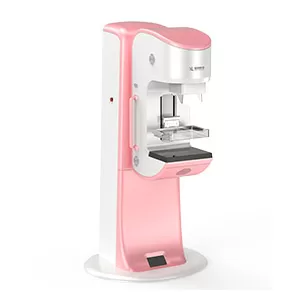
1. Mammography
Mammography is the gold standard for detecting DCIS.
- Key findingas Microcalcifications
- Detected during routine screening
- Often asymptomatic and not palpable
DCIS most commonly appears as clusters of fine, linear, or branching microcalcifications. Mammography is particularly sensitive in identifying calcified lesions before a mass forms.
2. Breast Ultrasound
Breast Ultrasound is less sensitive for pure DCIS because many lesions do not form discrete masses. However, it is useful when:
- A mass is suspected
- Evaluating associated invasive components
- Guiding biopsy procedures
Ultrasound may show ductal changes or hypoechoic areas if invasion is present.
3. Breast Magnetic Resonance Imaging (MRI)
Breast MRI provides high sensitivity for detecting DCIS, particularly high grade lesions.
- Detects non calcified DCIS
- Useful in dense breast tissue
- Assesses multifocal or multicentric disease
- Evaluates extent of disease
MRI is particularly valuable in preoperative planning and in high-risk patients.
Imaging for Detecting Metastatic Breast Cancer
When Breast cancer becomes invasive, it may spread via lymphatic or hematogenous routes to distant organs such as bone, liver, lungs, and brain.
Common sites of Metastasis, include:
- Bone (most common)
- Lungs
- Brain
- Liver
Imaging modalities for Metastatic detection, such:
1. Computed Tomography (CT)
Computed Tomography (CT scan) is widely used for:
- Detecting lung metastases
- Assessing thoracic and abdominal spread
- Evaluating liver lesions
CT provides detailed cross sectional imaging and is often part of staging workup.
2. Positron Emission Tomography – CT (PET-CT)
PET-CT combines metabolic and anatomical imaging.
- Detects metabolically active lesions
- Useful for staging and recurrence evaluation
- Identifies occult metastases
PET-CT is highly sensitive in detecting distant metastasis and monitoring treatment response.
3. Bone Scan
Bone Scan is commonly used to detect skeletal metastasis.
- Sensitive for early bone involvement
- Identifies increased osteoblastic activity
- Often used when patients have bone pain or elevated tumor markers
4. Brain MRI
Brain MRI is the preferred modality for detecting brain metastases.
- High sensitivity for small lesions
- Useful in patients with neurological symptoms
There are some importance of Early Imaging:
Early detection of DCIS significantly reduces the risk of progression to invasive carcinoma. Once metastasis occurs, the disease becomes stage IV and treatment focuses on systemic therapy rather than cure.
Imaging allows:
- Early diagnosis
- Accurate staging
- Treatment planning
- Monitoring therapy response
- Detection of recurrence
As conclusion, Imaging may plays a critical role in the detection and management of both Ductal Carcinoma In Situ (DCIS) and metastatic breast cancer. Mammography remains the cornerstone for detecting early, non invasive disease, while advanced imaging modalities such as MRI, CT, PET-CT, and bone scans are essential for identifying metastatic spread. The integration of multiple imaging techniques ensures comprehensive evaluation, enabling timely intervention and improved patient outcomes. (IW 0203)