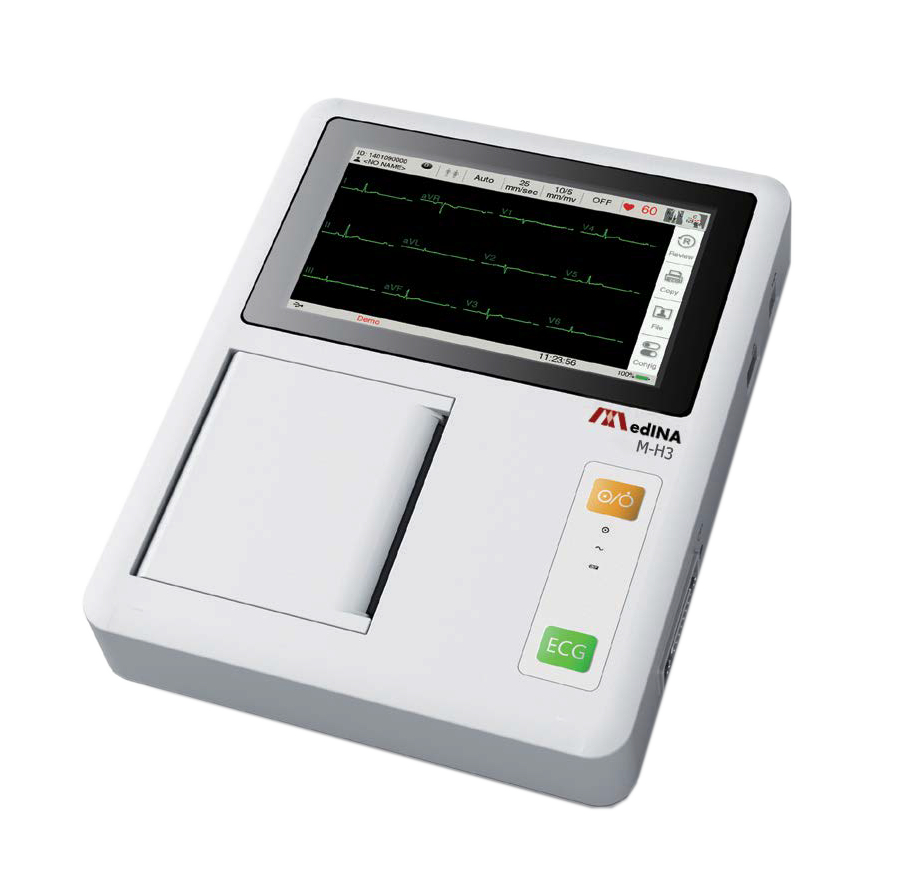
Non-ST Elevation Myocardial Infarction (NSTEMI) is a type of acute coronary syndrome caused by reduced blood flow to the heart muscle, resulting in myocardial injury without the classic ST-segment elevation seen on an electrocardiogram (ECG). NSTEMI is a common cardiovascular emergency associated with significant morbidity and mortality if not diagnosed and treated promptly. Early screening and diagnosis are therefore critical to improving patient outcomes.
NSTEMI occurs when a coronary artery becomes partially blocked, reducing oxygen supply to the myocardium. Unlike STEMI, NSTEMI does not produce persistent ST-segment elevation on ECG. Instead, patients may present with ST-segment depression, T-wave inversion, transient ST changes, or even a normal ECG. Diagnosis is typically confirmed through a combination of clinical symptoms, ECG findings, and elevated cardiac biomarkers such as troponin.
Electrocardiography (ECG) is one of the most important and widely used diagnostic tools in the evaluation of patients with suspected NSTEMI. ECG is a non-invasive, rapid, affordable, and accessible method that provides valuable information regarding the electrical activity of the heart. Although ECG findings in NSTEMI may be less obvious compared to ST-Elevation Myocardial Infarction (STEMI), it still plays a central role in screening, risk stratification, and guiding clinical management.
Common symptoms of NSTEMI include: Chest pain or discomfort, Shortness of breath, Nausea or vomiting, Sweating, Fatigue, Pain radiating to the arm, neck, or jaw
Because symptoms can vary and may overlap with other conditions, rapid screening with ECG is essential.
Some benefits of ECG for NSTEMI Screening, include:
Rapid and Immediate Assessment
One of the greatest advantages of ECG is its ability to provide immediate results. In suspected NSTEMI cases, time is critical because delayed diagnosis can lead to worsening myocardial damage and complications.
Non-Invasive and Safe
ECG is a completely non-invasive procedure that does not expose patients to radiation or significant risks. Electrodes are simply attached to the patient’s skin to record cardiac electrical activity.
Early Detection of Myocardial Ischemia
Although NSTEMI does not usually produce ST-segment elevation, ECG can still detect other signs of myocardial ischemia such as: ST-segment depression, T-wave inversion, Transient ST-segment changes, Arrhythmias, Conduction abnormalities
Early identification of these abnormalities allows clinicians to recognize patients at high risk for acute coronary syndrome and proceed with further diagnostic testing and treatment.
Widely Available and Accessible
ECG machines are available in most healthcare facilities worldwide. Portable ECG devices also allow screening in ambulances, primary care clinics, and remote areas. The broad availability of ECG improves access to early cardiac assessment and supports faster referral to specialized care when necessary.
Supports Risk Stratification
ECG findings help clinicians determine the severity of ischemia and stratify patients according to cardiovascular risk.
Risk stratification is important for deciding whether patients require intensive monitoring, early invasive procedures, or conservative treatment approaches.
Assists in Monitoring Disease Progression
Serial ECG monitoring can reveal evolving ischemic changes over time. Repeated ECG recordings help healthcare providers assess whether the patient’s condition is improving, stable, or worsening.
Cost-Effective Screening Tool
Compared with advanced imaging techniques such as coronary angiography, computed tomography (CT), or magnetic resonance imaging (MRI), ECG is relatively inexpensive.
In conclusion, Electrocardiography (ECG) remains a cornerstone in the screening and early evaluation of Non-ST Elevation Myocardial Infarction (NSTEMI). Its rapid availability, non-invasive nature, affordability, and ability to detect myocardial ischemia make it an essential diagnostic tool in both emergency and routine clinical settings. Although ECG alone cannot definitively diagnose NSTEMI, it provides critical information for early recognition, risk stratification, treatment planning, and ongoing monitoring. When combined with clinical assessment and cardiac biomarker testing, ECG significantly contributes to improved patient outcomes and more effective management of acute coronary syndromes. (IW 2506)