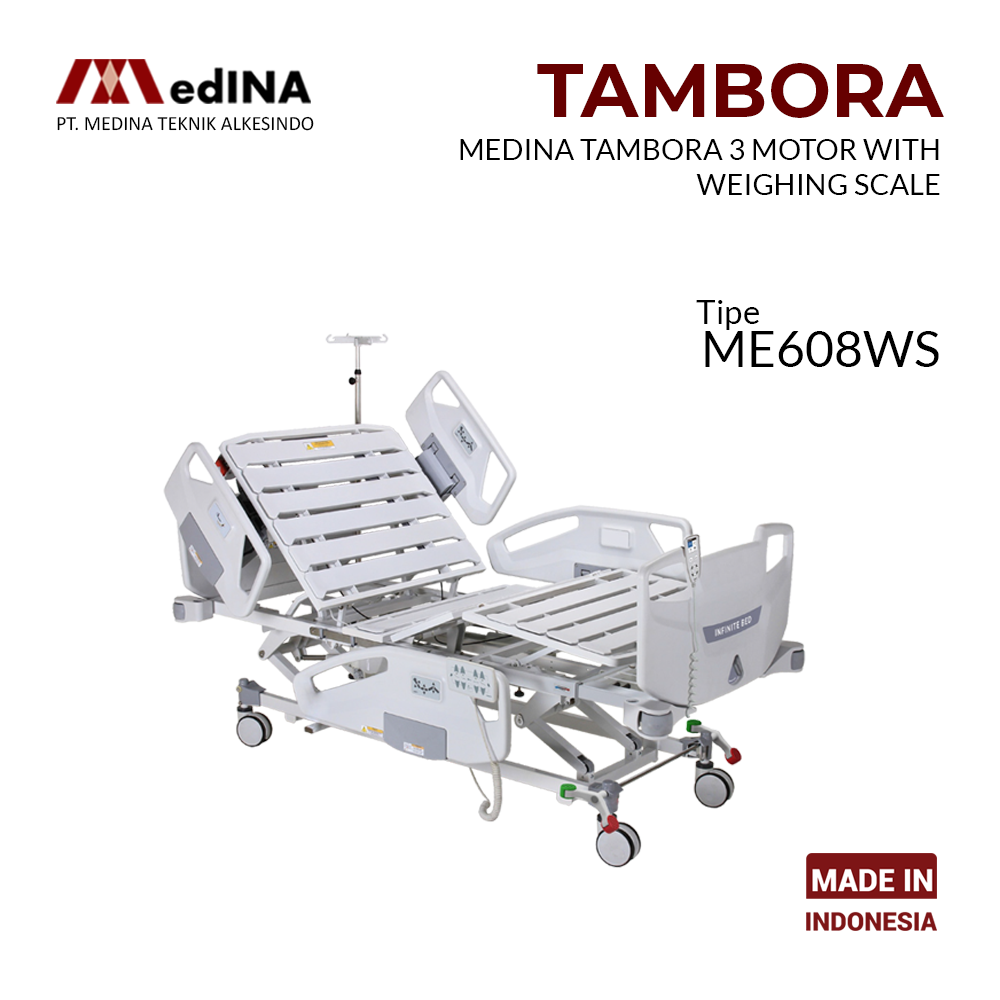
Hospital bed may play a crucial role in patient care, directly influencing comfort, recovery, and overall well-being. Among the various types available, electrical hospital beds have emerged as a preferred choice due to their advanced functionality and convenience. These beds are particularly beneficial for inpatients who require prolonged hospital stays or specialized medical attention.
There are some benefits of electrical hospital beds for inpatients, such:
1. Enhanced Patient Comfort
Electrical hospital beds allow for easy adjustments, enabling patients to modify the bed’s height, headrest, and footrest positions at the touch of a button. This adjustability helps patients find the most comfortable position for resting, reducing strain on their bodies and enhancing their overall well-being.
2. Improved Mobility and Independence
With motorized controls, inpatients can adjust their bed positions without assistance. This feature provides a sense of independence, reducing the need for frequent nurse interventions and empowering patients to manage their own comfort.
3. Enhanced Safety Features
Electrical hospital beds often come equipped with side rails, emergency lowering functions, and locking mechanisms to prevent accidental falls. These safety features provide reassurance to both patients and caregivers, minimizing the risk of injuries.
4. Ease of Medical Care and Treatment
Healthcare professionals benefit from the ability to adjust the bed height and positioning to a comfortable level while providing care. This ergonomic advantage reduces strain on nurses and doctors, improving efficiency and reducing the risk of work related injuries.
5. Convenience for Caregivers
For caregivers and hospital staff, electric beds simplify patient management. The ability to adjust the bed height makes it easier to transfer patients, conduct medical examinations, and provide necessary treatments with minimal strain.
6. Facilitates Post Surgical Recovery
For postoperative patients require precise positioning to aid in healing and reduce complications. Electrical hospital beds offer customized adjustments that align with medical needs, ensuring a smooth and comfortable recovery process.
7. Better Circulation & Pressure Ulcer Prevention
Prolonged immobility can lead to poor circulation and pressure ulcers. Electrical beds facilitate periodic repositioning, helping to distribute pressure evenly and reducing the risk of bedsores. Additionally, elevating the legs can enhance blood circulation, preventing complications such as deep vein thrombosis.
As conclusion,Electrical hospital beds significantly improve inpatient care by enhancing comfort, mobility, and safety. Their adaptability allows for better health outcomes, reducing complications and promoting faster recovery. With the growing focus on patient centered care, investing in electrical hospital beds is a crucial step toward improving hospital experiences for both patients and healthcare providers. (IW 2403)