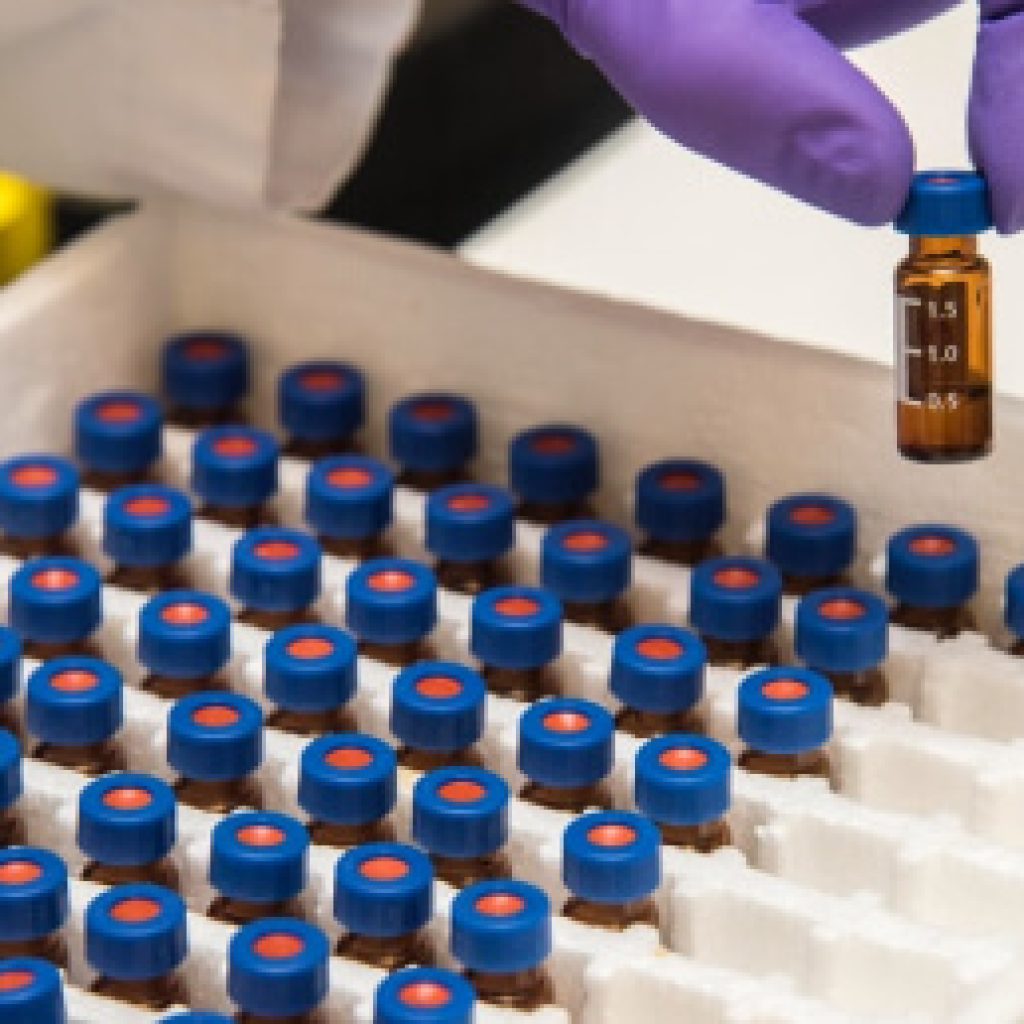
The preparation and handling of cytotoxic drugs require stringent safety measures due to their highly toxic nature and potential health risks to healthcare workers. Aseptic rooms play a critical role in maintaining the safety and sterility of these drugs.
There are some considerations and protocols necessary for ensuring safety in aseptic rooms used for cytotoxic drug preparation, such:
1. Facility Design and Layout
a. Dedicated Areas:
Aseptic rooms for cytotoxic drugs should be separate from other pharmacy areas to prevent cross-contamination. They should be equipped with dedicated air handling systems to maintain the required environmental conditions.
b. Controlled Environment:
For maintain a controlled environment is crucial. This includes:
- Temperature: Consistently regulated to prevent drug degradation.
- Humidity: Controlled to minimize microbial growth and ensure the stability of the drugs.
- Air Quality: High-efficiency particulate air (HEPA) filters should be used to maintain an ISO Class 5 environment within the primary engineering controls.
2. Personal Protective Equipment (PPE)
a. Proper Attire:
Healthcare workers must wear appropriate PPE, including:
- Sterile gloves
- Gowns
- Eye protection
- Respiratory protection (if required)
b. Training:
Regular training on the correct use of PPE is essential to ensure maximum protection against exposure to cytotoxic drugs.
3. Engineering Controls
a. Biological Safety Cabinets (BSCs):
BSCs are essential for providing both a sterile environment for drug preparation and protection for the personnel. Class II BSCs are commonly used for cytotoxic drug handling.
b. Closed System Transfer Devices (CSTDs):
These devices help minimize the risk of exposure by preventing the escape of aerosols and vapors during drug transfer processes.
4. Staff Health and Safety
a. Health Monitoring:
Regular health checks and monitoring for signs of exposure are essential for staff working with cytotoxic drugs.
b. Incident Reporting:
A robust incident reporting system should be in place to document and address any accidental exposures or breaches in protocol.
5. Environmental Monitoring
a. Air and Surface Sampling:
Regular monitoring of air and surface contamination is necessary to ensure the environment remains within acceptable limits. This includes routine sampling for microbial and particulate contamination.
b. Validation and Requalification:
Periodic validation and requalification of the aseptic room and equipment ensure continued compliance with safety and sterility standards.
6. Waste Management
a. Safe Disposal:
Cytotoxic waste must be disposed of in accordance with regulatory requirements. This typically involves the use of specialized containers and procedures to prevent environmental contamination and exposure to healthcare workers.
b. Training:
Personnel Staff should be trained on the proper disposal procedures for cytotoxic waste, including the use of spill kits and emergency response protocols.
As conclusion, for maintain safety in aseptic rooms for cytotoxic drug preparation requires a comprehensive approach that includes proper facility design, the use of PPE, stringent SOPs, regular environmental monitoring, and effective waste management. By adhering to these protocols, personnels of healthcare facilities can minimize the risks associated with cytotoxic drug handling and ensure the safety and well-being of both their staff and patients. (IW 1507)