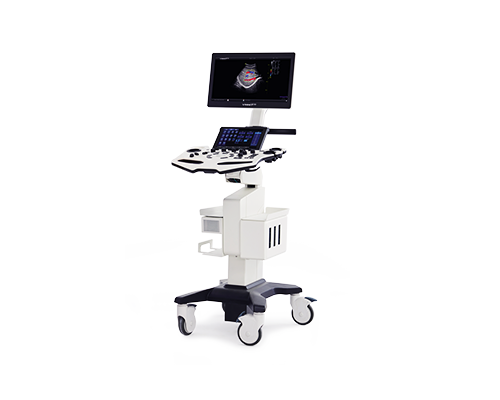
Ultrasound imaging is a widely used, non-invasive diagnostic tool that may plays an important role in evaluating vascular health. By using high frequency sound waves, Ultrasound provides real time images of blood vessels, allowing clinicians to assess their structure and function without exposing patients to radiation or invasive procedures.
Vascular ultrasound, often referred to as Doppler ultrasound, is primarily used to evaluate blood flow and vessel condition. Some key features include:
- Visualization of arteries and veins: Ultrasound can map the size, shape, and wall thickness of blood vessels.
- Detection of abnormalities: It identifies vascular problems such as aneurysms, plaque buildup, or venous insufficiency.
- Doppler assessment of flow: Doppler techniques measure the speed and direction of blood flow, helping detect narrowing (stenosis) or blockages.
Common vascular ultrasound procedures include carotid ultrasound (to check arteries supplying the brain), peripheral arterial ultrasound (to assess blood flow in limbs), and venous ultrasound (to detect blood clots or valve dysfunction).
There are some benefits of Vascular Ultrasound, such:
- Non-invasive and safe – Unlike angiography or CT scans, vascular ultrasound does not require contrast dye or radiation, making it suitable for repeated use.
- Early detection of vascular disease – It helps identify atherosclerosis, deep vein thrombosis (DVT), and peripheral artery disease (PAD) at early stages.
- Guidance for treatment – Ultrasound supports surgical planning, stent placement, and monitoring after vascular interventions.
- Real-time monitoring – Clinicians can instantly observe blood flow changes during the examination.
- Cost-effective and widely available – Compared to other imaging modalities, ultrasound is relatively affordable and accessible.
Clinical Applications:
- Chronic venous disease: Ultrasound assesses venous reflux and guides management of varicose veins.
- Cardiovascular risk evaluation: Measuring arterial stiffness and plaque buildup helps assess long-term cardiovascular risk.
- Stroke prevention: Carotid ultrasound detects arterial narrowing that increases stroke risk.
- Post-operative monitoring: It evaluates grafts, stents, or bypasses for patency and function.
In conclusion, Vascular ultrasound is a patient-friendly, valuable tool for assessing blood vessel health. Its ability to detect abnormalities early, guide clinical decisions, and monitor outcomes makes it a cornerstone in modern vascular medicine. By providing safe, efficient, and cost-effective imaging, ultrasound contributes significantly to the prevention and management of cardiovascular diseases. (IW 0809)