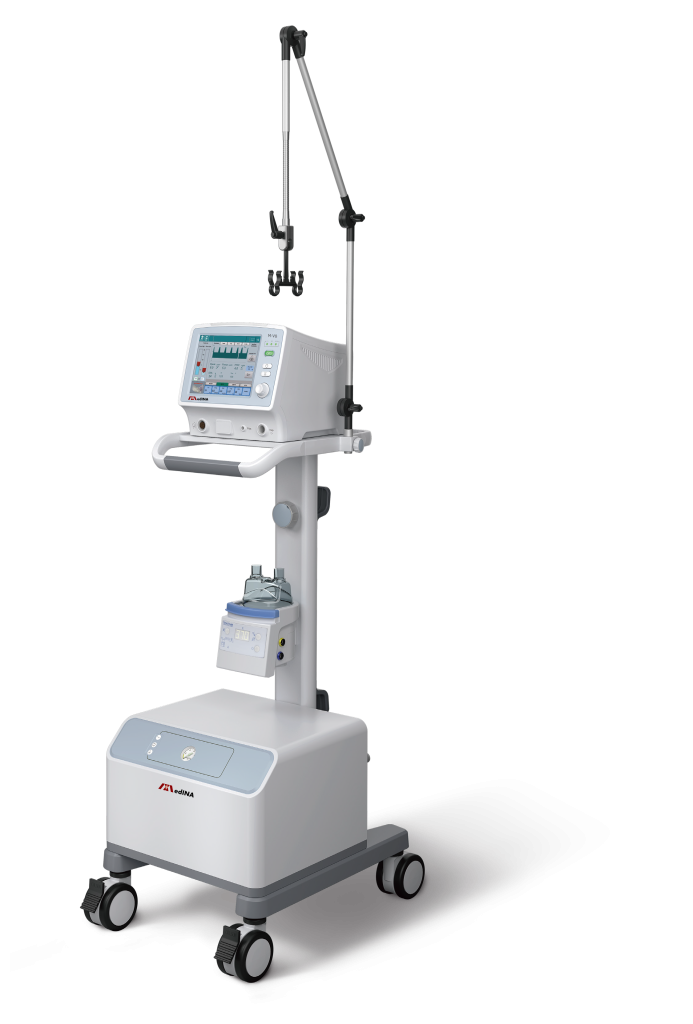
Pulmonary Edema Related to Fluid Overload (PERF) is a common and serious complication in critically ill patients, often requiring mechanical ventilatory support. Timely initiation, optimal ventilator management, and appropriate strategies for weaning and extubation are critical to improving outcomes.
PERF is characterized by an excessive accumulation of fluid in the alveoli due to volume overload, leading to impaired gas exchange and respiratory failure.
Common causes include renal failure, aggressive intravenous fluid resuscitation, and cardiac dysfunction. In severe cases, mechanical ventilation is required to maintain oxygenation and reduce the work of breathing.
Indications for Mechanical Ventilation in PERF:
Mechanical ventilation is typically indicated in PERF patients when there is:
Signs of increased work of breathing or respiratory fatigue
Hypoxemic respiratory failure (PaO₂ < 60 mmHg on FiO₂ > 0.5)
Hypercapnia with respiratory acidosis (pH < 7.25)
Altered mental status with inability to protect the airway
Non-invasive ventilation (NIV) may be attempted in select cases, but intubation is often required if the patient is unstable or fails to improve.
Ventilation Strategies
In mechanically ventilated PERF patients, the following strategies are often employed:
Positive End-Expiratory Pressure (PEEP) to improve alveolar recruitment and oxygenation.
Low tidal volume ventilation (6–8 mL/kg of predicted body weight) to minimize ventilator-induced lung injury.
Fluid restriction and diuretic therapy are concurrent measures aimed at resolving fluid overload.
Close hemodynamic monitoring is necessary, as high PEEP can reduce venous return and cardiac output.
Weaning and Extubation
Once the underlying cause of PERF is controlled and the patient is clinically improving, weaning from the ventilator is initiated.
Criteria for initiating weaning include:
Adequate oxygenation (PaO₂/FiO₂ > 200) on minimal ventilator settings (PEEP ≤ 5 cm H₂O, FiO₂ ≤ 0.4).
Hemodynamic stability without vasopressor support.
Improved chest radiograph and fluid status (e.g., negative fluid balance).
Adequate spontaneous breathing effort and mental status.
Spontaneous Breathing Trials (SBTs) are used to assess readiness for extubation. Common methods include T-piece trials or low-level pressure support. If tolerated for 30–120 minutes without signs of distress, extubation can be considered.
In conclusion, Mechanical ventilation in PERF is a critical supportive therapy aimed at improving oxygenation while underlying causes are addressed. A structured, evidence-based approach to weaning and extubation enhances patient outcomes and reduces ICU stay. Early identification of patients suitable for weaning and vigilant monitoring during and after extubation are key components of successful ICU management. (IW 1305)