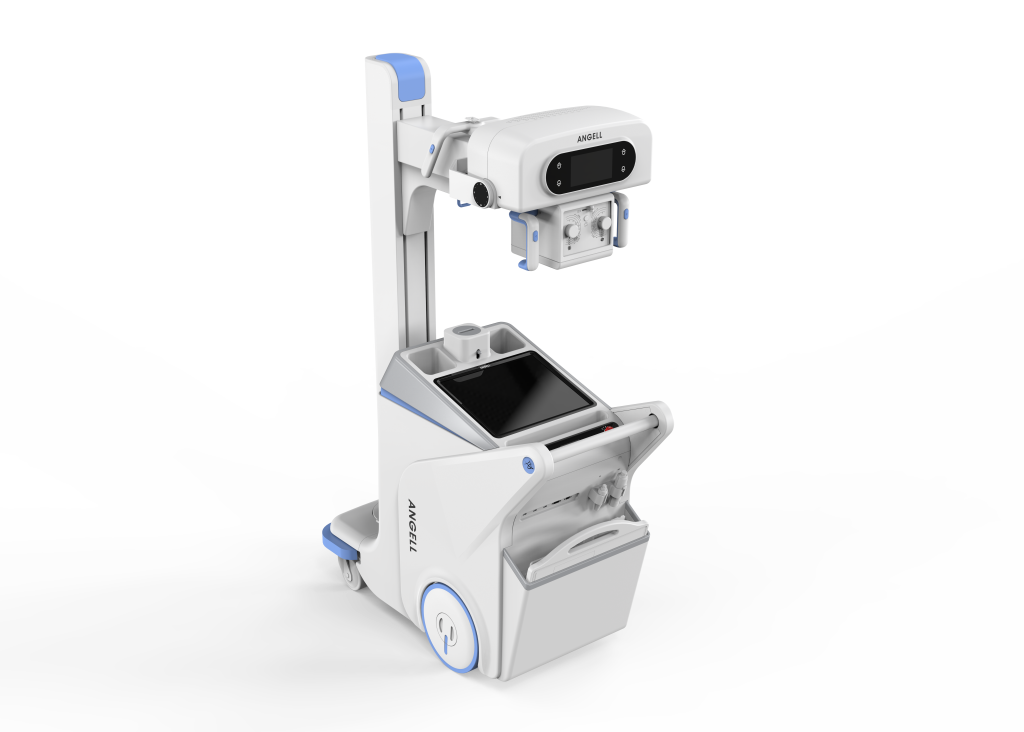
Chest X-ray (CXR) is one of the most widely used and accessible imaging tools in medicine. Despite the advancement of sophisticated cardiac imaging technologies such as Echocardiography, CT scan, and MRI, Chest X-ray still remains a fundamental step in evaluating patients suspected of having heart failure. Its value lies in its speed, affordability, and ability to reveal critical information about the heart and lungs in just a single image.
There are some benefits use this CXR include:
It may Identifies Heart Enlargement (Cardiomegaly)
A key sign of chronic or worsening heart failure is the enlargement of the heart.
Chest X-ray can:
Estimate the size and shape of the heart.
Detect cardiomegaly, which suggests that the heart is working harder than normal.
While an X-ray cannot provide detailed functional data, it offers crucial early clues that guide further testing.
Quick, Accessible, and Cost-Effective
One of the main benefits of using a chest X-ray for heart failure is its availability. Almost every hospital and clinic has an X-ray machine, making it a fast and economical choice for initial assessment.
Results can often be obtained within minutes.
It does not require special preparation or invasive procedures.
This makes CXR especially useful in emergency situations when rapid decision-making is essential.
It helps differentiate Heart Failure from other conditions
Many symptoms of heart failure—such as shortness of breath, chest discomfort, or fatigue—can also appear in conditions like pneumonia, COPD exacerbations, or pleural effusions.
Chest X-ray helps distinguish these by showing:
Lung infections
Collapsed lung (pneumothorax)
Large fluid collections around the lungs
This assists doctors in avoiding misdiagnosis and choosing the correct management plan.
Detects Pulmonary Congestion and Edema
Heart failure often causes fluid to back up into the lungs—a condition known as pulmonary congestion. Chest X-ray is particularly effective in identifying:
Fluid in the lung tissue (interstitial edema)
Fluid in the air spaces (alveolar edema)
Kerley B lines (thin lines indicating interstitial fluid buildup)
These findings help clinicians determine the severity of heart failure and evaluate the need for immediate treatment such as diuretics or oxygen therapy.
It supports Risk Assessment and Clinical Decision-Making
Chest X-ray findings can help estimate the severity and prognosis of heart failure.
For example:
Significant pulmonary edema may indicate an urgent need for intensive therapy.
Persistent cardiomegaly may point to chronic, advanced heart dysfunction.
While more advanced imaging provides detailed structural information, CXR still plays a strong role in overall risk assessment.
For Monitors Disease Progression and Treatment Response
Chest X-ray is valuable not only at the initial diagnosis but also during follow-up care. It allows clinicians to monitor:
Reduction in lung fluid after treatment
Stabilization or worsening of heart size
Recurrence of pulmonary edema
This makes it a convenient option for tracking patient recovery, especially in hospital settings.
In conclusion, Chest X-ray (CXR) still remains a vital tool in the diagnosis and management of heart failure. Its advantages such speed, low cost, availability, and ability to reveal both Cardiac and Pulmonary abnormalities make it an essential first-line investigation. Although it does not offer the detailed functional insights of newer imaging modalities, it may continues to play a crucial role in early detection, monitoring treatment progress, and guiding clinical decision-making. (IW 2411)