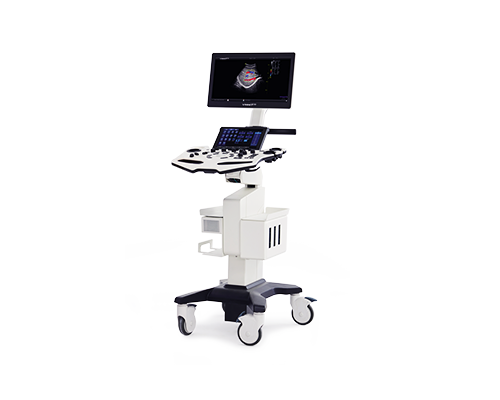
Ultrasound imaging is one of the most widely used, non invasive diagnostic tools in modern medicine. Its real-time visualization, safety profile, and versatility make it invaluable in cardiovascular medicine. This one of some applications for monitoring and evaluating arterial wall structure and pathology. The ability of ultrasound waves to characterize soft tissues with precision.
Ultrasound in Arterial Wall Assessment
1. Purpose
Ultrasound is also a key tool in evaluating the condition of arterial walls, especially in large vessels like the carotid arteries. It helps detect early markers of cardiovascular disease.
2. Intima–Media Thickness (IMT) Measurement
A major application is measuring the carotid intima–media thickness (CIMT).
- CIMT indicates early atherosclerotic changes.
- Increased thickness correlates with higher risk of heart attack or stroke.
Ultrasound allows visualization of the two layers:
- Intima (inner layer)
- Media (middle muscular layer)
Serial monitoring can track progression or improvement after lifestyle or therapeutic interventions.
3. Vascular Elasticity and Function
Advanced techniques (e.g., echo-tracking, arterial strain imaging) assess:
- Arterial stiffness
- Compliance
- Pulse wave velocity (with complementary methods)
4. Plaque Assessment
Ultrasound can identify:
- Presence of atherosclerotic plaques
- Plaque morphology (calcified, fibrous, mixed)
- Degree of stenosis (narrowing of the artery)
Color Doppler or spectral Doppler quantifies blood flow velocity, helping estimate the severity of blockage.
As conclusion, Ultrasound may plays a crucial role in Cardiovascular disease prevention. To detecting early arterial wall changes, ultrasound’s ability to provide detailed, non invasive insights makes it a cornerstone of modern medical diagnostics. As technology advances through higher resolution probes, Doppler innovations, and automated measurement systems ultrasound continues to expand its impact on patient care and disease prevention. (IW 1711)