Crohn’s disease is a chronic, relapsing inflammatory bowel disease that can affect any part of the gastrointestinal tract, most commonly the terminal ileum and colon. Monitoring disease activity is essential for guiding treatment, preventing complications, and improving patient outcomes. Traditionally, endoscopy and magnetic resonance enterography have been the gold standards for evaluation, but both are invasive, expensive, or limited in availability.
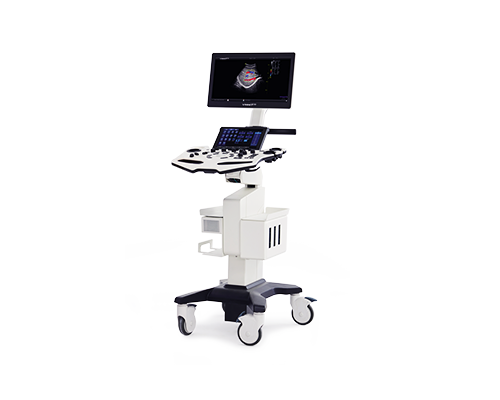
Intestinal ultrasound (IUS) has emerged as a valuable, non-invasive, radiation-free tool for assessing Crohn’s disease activity and treatment response.
IUS uses high-frequency transducers (5–12 MHz) to evaluate the bowel wall and surrounding mesentery. Color Doppler and contrast-enhanced ultrasound can provide additional information about vascularity and inflammation.
Key sonographic parameters in Crohn’s disease include:
Bowel wall thickness (BWT): >3 mm in the small bowel or >4 mm in the colon is generally considered abnormal.
Wall stratification: Loss of normal layering suggests active inflammation.
Vascularity: Increased Doppler signal (Limberg score) correlates with inflammation.
Mesenteric changes: Fat hypertrophy, fibrofatty proliferation, and lymphadenopathy.
Complications: Strictures, fistulas, abscesses, and pseudopolyps can often be detected.
Clinical Applications:
Diagnosis Support
While not a stand-alone diagnostic tool, IUS can detect bowel wall thickening and complications suggestive of Crohn’s, complementing clinical, endoscopic, and histologic findings.
Disease Monitoring
IUS is effective in monitoring disease activity over time. It correlates well with endoscopic findings and can be performed repeatedly without risk.
Treatment Response Assessment
Normalization or reduction in bowel wall thickness and vascularity can indicate response to biologics or immunosuppressants within weeks of therapy initiation.
Detection of Complications
Abscesses and fistulas: Hypoechoic cavities or tracts with/without Doppler signal.
Strictures: Persistent bowel wall thickening with luminal narrowing and upstream dilatation.
There are some advantages and limitations:
Advantages
Non invasive, safe, and radiation-free.
Real time, bedside examination.
Cost-effective compared to CT or MRI.
Repeatable and useful for tight monitoring.
Limitations
Operator-dependent, requiring training and expertise.
Limited accuracy in obese patients or those with excessive bowel gas.
Less sensitive than MRI for proximal small bowel disease beyond the reach of ultrasound.
In conclusion, Intestinal ultrasound is a rapidly evolving, non invasive imaging modality that may plays a crucial role in the management of Crohn’s disease. It allows for accurate disease monitoring, early assessment of therapeutic response, and detection of complications, making it an essential tool in modern Inflammatory Bowel Disease practice. (IW 0610)