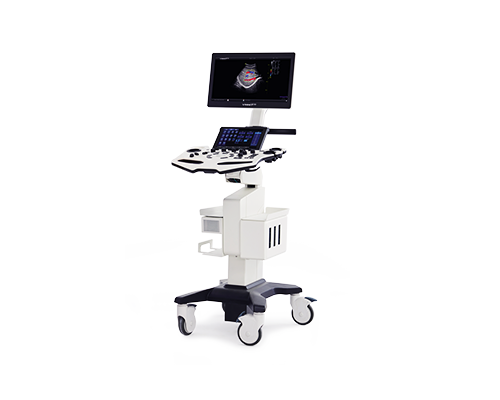
As we known, Thyroid nodules are common clinical findings, and while most are benign, a small proportion can be malignant.
Early and accurate detection is essential for proper management. Among the available diagnostic tools, Ultrasound has emerged as the primary imaging modality for thyroid nodule evaluation.
1. Non-invasive and Safe
Ultrasound is radiation-free, painless, and widely available. This makes it an ideal first-line investigation, suitable for repeated follow-up without exposing patients to ionizing radiation.
2. High Sensitivity in Nodule Detection
Ultrasound can detect nodules as small as 2–3 mm, often before they are palpable on clinical examination. This high sensitivity allows for the identification of subclinical thyroid nodules.
3. Characterization of Nodules
Ultrasound provides valuable information about the internal structure and features of nodules, include:
Composition (solid, cystic, or mixed).
Size and volume (essential for monitoring growth).
Margins (irregular or infiltrative borders may suggest malignancy).
Echogenicity (hypoechoic nodules often raise suspicion).
Vascularity (assessed with Doppler imaging).
Calcifications (microcalcifications are an important red flag).
These sonographic features are critical in risk stratification. Systems such as TI-RADS (Thyroid Imaging Reporting and Data System) rely heavily on ultrasound findings to guide further management.
4. Guidance for Fine-Needle Aspiration (FNA)
When cytological evaluation is needed, ultrasound is essential for guiding fine-needle aspiration, particularly for small, deep, or posteriorly located nodules. This improves sampling accuracy and diagnostic yield.
5. Cost-Effective and Accessible
Compared to CT or MRI, ultrasound is more affordable and available in most healthcare settings, making it practical for widespread use in thyroid disease evaluation.
6. Monitoring Over Time
Ultrasound is invaluable for follow-up of thyroid nodules, especially those not requiring immediate biopsy or surgery. It helps assess changes in size, structure, and vascularity, ensuring timely intervention if suspicious features develop.
In conclusion, Ultrasound may plays a pivotal role in the detection and evaluation of thyroid nodules. Its ability to provide detailed structural information, guide biopsies, and allow safe follow-up makes it the gold standard imaging modality in thyroid nodule management. (IW 2209)