

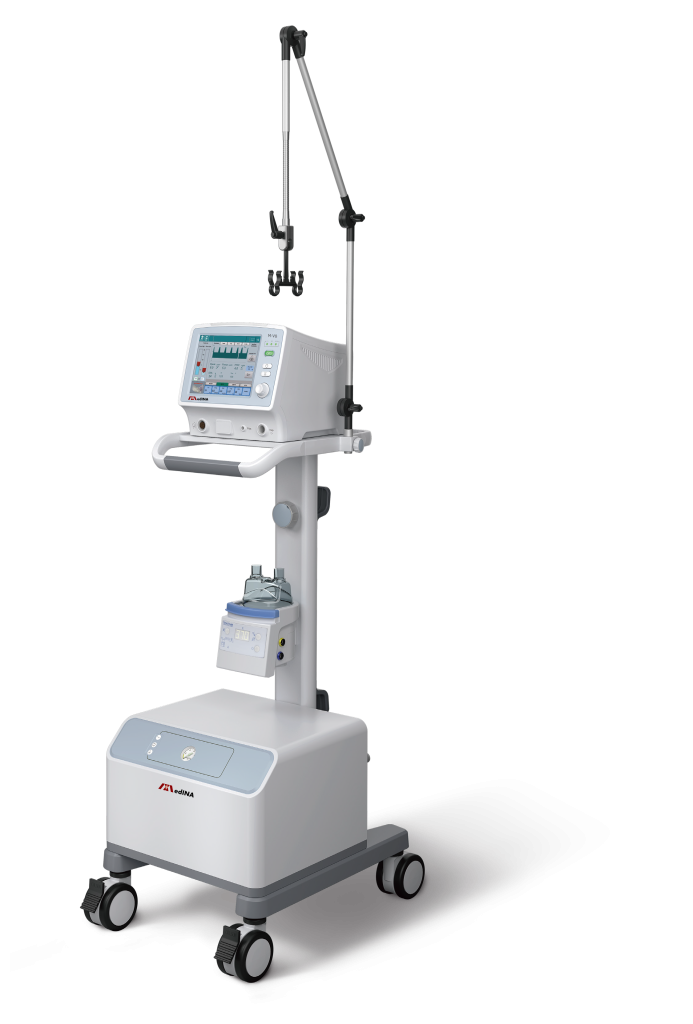
The arrival of a newborn brings joy and excitement, but it can also present unforeseen challenges, especially when it comes to the delicate matter of respiratory health. Neonatal ventilators play a vital role in providing life-saving support to infants who struggle to breathe independently. This article aims to shed light on the critical importance of neonatal ventilators in infant healthcare, highlighting their significance in saving lives and improving outcomes.
- Ensuring Adequate Oxygenation:
Neonatal ventilators are designed to provide precise control over the delivery of oxygen to newborns with respiratory distress. Premature infants and those with underdeveloped lungs often lack the ability to breathe effectively, making ventilators indispensable in ensuring adequate oxygenation. By delivering a carefully calibrated mixture of oxygen and air, neonatal ventilators help maintain optimal oxygen levels and prevent potential complications associated with oxygen deprivation. - Facilitating Respiratory Support:
Infants with conditions such as respiratory distress syndrome (RDS), bronchopulmonary dysplasia (BPD), or congenital heart defects may require additional respiratory support. Neonatal ventilators offer various modes of ventilation, including pressure-controlled or volume-controlled ventilation, high-frequency oscillatory ventilation, and non-invasive ventilation techniques like nasal continuous positive airway pressure (CPAP) or nasal intermittent positive pressure ventilation (NIPPV). These modes can provide the necessary assistance for breathing, ensuring the infant’s respiratory system can recover and develop. - Enhancing Lung Function and Development:
The respiratory system of a newborn is particularly fragile, and any disruption in proper functioning can have severe consequences. Neonatal ventilators not only provide immediate support but also aid in the development of lung function. Ventilatory strategies that promote gentle ventilation, such as lung-protective ventilation and minimally invasive surfactant therapy (MIST), help prevent further lung damage and improve long-term outcomes. Additionally, advanced ventilator technologies, such as synchronized ventilation and adaptive support ventilation, adapt to the infant’s changing respiratory needs, facilitating optimal lung development. - Managing Complications and Emergencies:
Neonatal ventilators are crucial in managing respiratory complications and emergencies that can arise in newborns. They can assist in cases of meconium aspiration syndrome, pneumonia, respiratory distress due to infections, and other conditions that compromise the infant’s breathing. By promptly addressing these challenges, ventilators play a pivotal role in stabilizing the infant’s condition, reducing the risk of further complications, and increasing the chances of a positive outcome. - Supporting Preterm Infants:
Premature birth is a significant risk factor for respiratory issues in newborns. The lungs of premature infants are often insufficiently developed, making them prone to respiratory distress. Neonatal ventilators are instrumental in supporting preterm infants, delivering the necessary respiratory assistance until their lungs mature sufficiently to sustain breathing independently. The provision of respiratory support during the critical early stages can significantly improve survival rates and reduce the incidence of long-term respiratory complications.
Neonatal ventilators are indispensable tools in modern healthcare, serving as lifelines for newborns struggling with respiratory challenges. By ensuring adequate oxygenation, facilitating respiratory support, enhancing lung function and development, managing complications, and supporting preterm infants, these devices play a critical role in saving lives and improving outcomes in neonatal care. Continued research and advancements in neonatal ventilation technology hold the promise of further enhancing the quality of care provided to these vulnerable infants, giving them a fighting chance for a healthy and thriving future