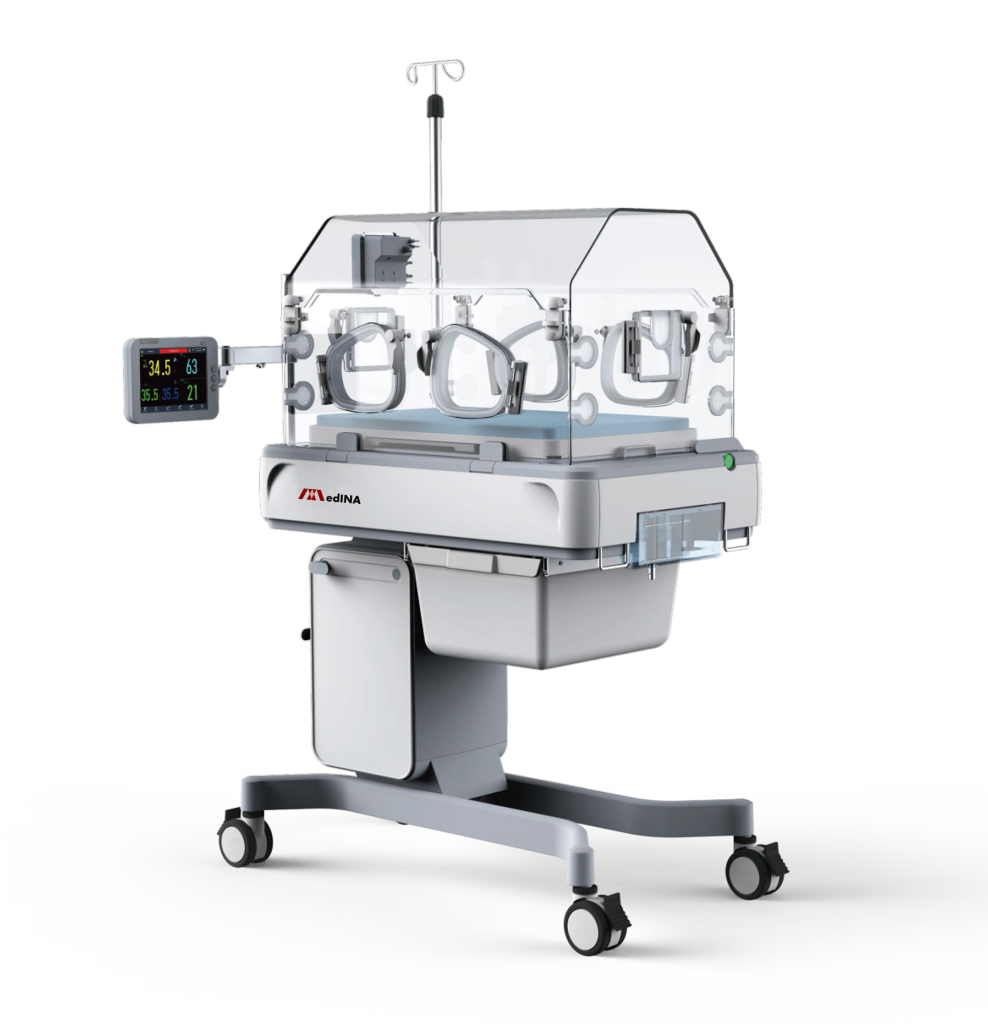
The baby incubators may play a critical medical device used to care for premature and low birth-weight infants. It provides a controlled environment that may helps regulate temperature, humidity, and oxygen levels, supporting a newborn’s survival and development.
While baby incubators greatly improve neonatal outcomes, they also present certain challenges, and one of the most significant being noise.
Baby Incubator Safety
The Baby incubators are designed with multiple safety features to protect vulnerable infants, such:
Temperature Control
Baby Incubators maintain a stable thermal environment, preventing hypothermia or overheating. Sensors continuously monitor the infant’s temperature and automatically adjust heat levels.
Oxygen and Humidity Regulation
For babies with underdeveloped lungs, incubators can deliver controlled oxygen levels and appropriate humidity, reducing respiratory stress and skin dehydration.
Continuous Monitoring
Modern baby incubators are equipped with alarms and monitors that track vital signs such as heart rate, oxygen saturation, and temperature. These alerts help healthcare staff respond quickly to emergencies.
Infection Prevention
The enclosed structure reduces exposure to external bacteria and viruses. Many baby incubators use smooth, easy to clean surfaces and air filtration systems to minimize infection risk.
Overall, Baby incubators may play a vital role in neonatal intensive care units (NICUs) and significantly increase survival rates for premature infants.
Inconvenience of Incubator Noise
Despite their benefits, incubators can produce considerable noise, which creates several concerns:
Noise Sources
Incubator noise comes from alarms, ventilation fans, motorized adjustments, and surrounding medical equipment. Sudden alarm sounds are often loud and frequent.
Impact on Infants
Excessive noise can disturb infant sleep patterns, increase stress levels, and potentially affect neurological development.
Premature babies are especially sensitive to sound due to their immature nervous systems.
Environmental Stress
A noisy environment reduces the calming atmosphere that is important for infant recovery and bonding between parents and babies.
Impact on Parents and Staff
Constant noise can increase stress and fatigue for parents and healthcare workers. It may also interfere with communication in the NICU and contribute to alarm fatigue, where staff become desensitized to alerts.
Reducing Noise-Related Problems
To address noise inconvenience, hospitals and manufacturers are taking several steps, include:
Educating staff on minimizing unnecessary noise
Implementing NICU noise-level monitoring protocols
Designing quieter incubator fans and motors
Using adjustable alarm volumes and visual alerts
These measures may help balance patient safety with a more comfortable healing environment.
In conclusion, the Baby incubators are essential for ensuring the safety and survival of premature and medically fragile infants. Their advanced safety features provide life saving support during critical early stages of development. However, noise generated by incubators remains a notable inconvenience, with potential effects on infants, parents, and healthcare providers. By improving incubator design and NICU practices, it is possible to reduce noise while maintaining high safety standards, ultimately creating a better environment for newborn care. (IW 2212)