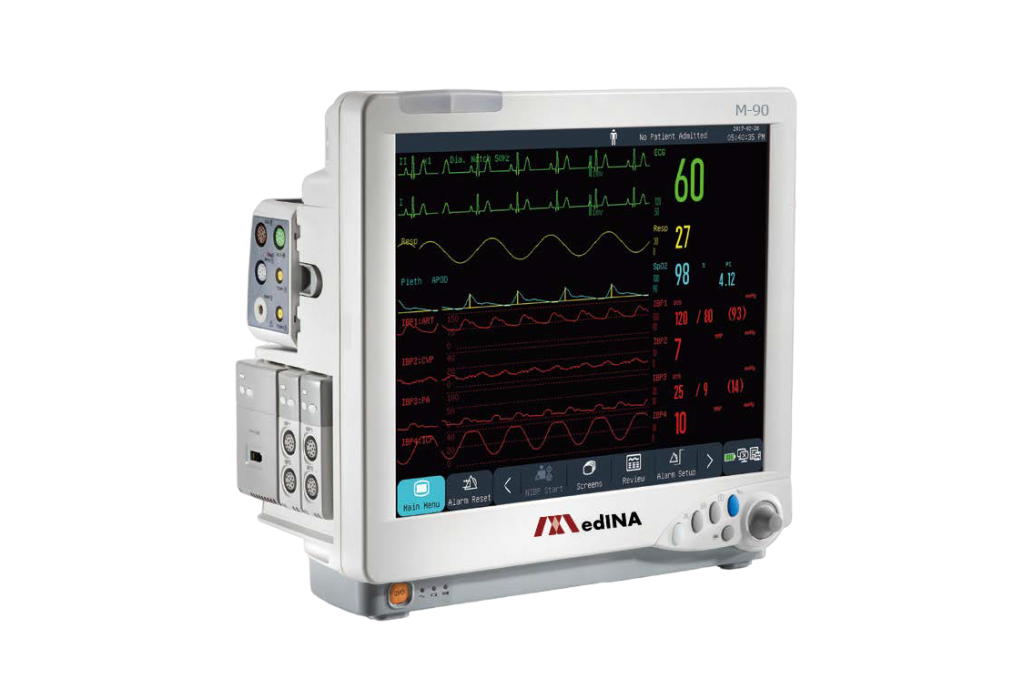
Brain injuries whether caused by stroke, infection, trauma, or lack of oxygen require careful and continuous monitoring to protect the patient’s life and support recovery. Because the brain controls every vital function of the body, even small changes in a patient’s condition may signal a serious complication.
The Patient monitor may play a crucial role in detecting these changes early.
Brain injuries can progress rapidly. The patient’s neurological status, vital signs, and intracranial pressure (ICP) can change from stable to life threatening in minutes.
Continuous monitoring may helps for the clinicians, such:
- Detect early signs of deterioration
- Prevent secondary brain injury (e.g., swelling, low oxygen)
- Guide treatments such as ventilation, medications, and surgery
- Evaluate the effectiveness of interventions
- Improve survival and neurological outcomes
There are some parameters monitored in Brain Injury patients, include:
1. Vital Signs Monitoring
a. Heart Rate and Cardiac Rhythm
Brain injury can trigger arrhythmias or unstable blood pressure through autonomic nervous system disturbances.
b. Blood Pressure (BP)
Maintaining stable BP is essential to support cerebral perfusion. Low BP can deprive the brain of oxygen; high BP may worsen swelling or bleeding.
c. Oxygen Saturation (SpO₂)
Low oxygen levels can worsen brain injury. Continuous pulse oximetry is often used.
d. Respiratory Rate and Ventilation
Patients with severe brain injury may be intubated. Monitors help adjust ventilator settings to:
- Maintain proper carbon dioxide (CO₂) levels (high CO₂ can increase ICP)
- Ensure adequate oxygenation
2. Intracranial Pressure (ICP)
- What it is: Pressure inside the skull.
- Why it matters: Elevated ICP can reduce blood flow to the brain and cause permanent damage.
- How monitored:
- ICP probe inserted into the skull
- Continuous real-time display on a bedside monitor
Ideal ICP is usually < 20 mmHg, depending on clinical guidelines.
3. Cerebral Perfusion Pressure (CPP)
CPP = Mean Arterial Pressure (MAP) – ICP
- Why it matters: Indicates how much blood is actually reaching the brain.
- Target: Often maintained between 60–70 mmHg to ensure brain tissue oxygenation.
4. End-Tidal CO₂ (EtCO₂)
Provides insight into ventilation and helps prevent CO₂-induced ICP elevation.
5. Temperature Monitoring
Fever can increase metabolic demand and worsen brain swelling. Core temperature monitoring helps guide cooling therapies when needed.
As conclusion, effective patient monitoring is a cornerstone of managing brain injuries. Advanced monitoring technologies may allow clinicians to detect subtle changes early, prevent secondary damage, and guide life-saving treatments. Continuous observation of vital signs, intracranial pressure, brain oxygenation, and neurological function greatly improves the chances of recovery and reduces the risk of long-term disability. (IW 0812)