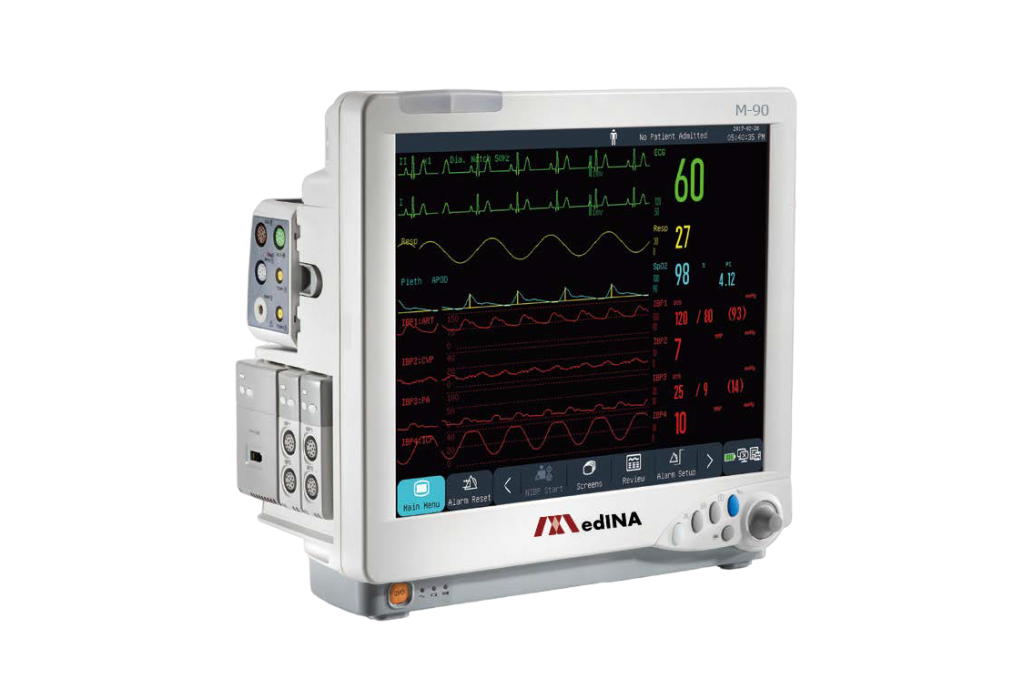
A Cesarean section (Sectio Caesarea/SC) is a major surgical procedure performed to deliver a baby through incisions in the Abdomen and Uterus. Because it involves both Surgical and Anesthetic risks, continuous patient monitoring plays a critical role in ensuring the safety of both the mother and the newborn.
In modern healthcare, Patient Monitoring systems provide realtime data that allow the healthcare teams to detect complications early and respond quickly.
There are some benefits for patient monitoring in SC, include:
Ensuring Maternal Safety during Anesthesia
Most C-sections are performed under regional anesthesia (spinal or epidural), though some require general anesthesia. Patient monitoring helps by:
- Tracking blood pressure, which can drop suddenly after spinal anesthesia.
- Monitoring oxygen saturation (SpO₂) to ensure adequate oxygen supply.
- Observing heart rate and ECG for arrhythmias or anesthesia-induced complications.
Early detection of these changes allows anesthesiologists to intervene promptly and prevent severe maternal instability.
Enhanced Safety during Surgical manipulation
During the procedure, various physiological changes can occur due to:
- Uterine manipulation
- Fluid shifts
- Blood loss
Monitoring ensures: - Stable hemodynamics
- Adequate oxygenation
- Normal temperature regulation
These parameters help maintain the mother’s stability and ensure safe progression of the surgery.
Early detection of Hemorrhage
Postpartum hemorrhage is one of the leading causes of maternal morbidity.
Continuous monitoring:
- It alerts clinicians to rapid changes in heart rate and blood pressure.
- May helps identify hidden internal bleeding before visible symptoms occur.
This early detection significantly improves outcomes by enabling immediate management.
Improved Fetal monitoring and outcomes
Before and during a Cesarean section, fetal monitoring is essential to evaluate the baby’s condition. The Patient monitors:
- Track fetal heart rate patterns.
- Identify signs of fetal distress, such as hypoxia.
When fetal distress is detected early, the medical team can expedite delivery or adjust anesthesia and surgical strategies.
Increased Efficiency for Clinical teams
In modern patient monitors:
- Display real-time data in a centralized dashboard.
- Allow automatic recording of vital signs.
- Reduce the risk of human error in manual recording.
Enhanced Patient Confidence and Safety
Knowing that continuous monitoring is in place gives patients greater confidence and reassurance. It provides a sense of safety throughout the surgical journey from preoperative preparation to postoperative care.
Postoperative monitoring for Recovery
After the C-section, patient monitoring continues in the recovery room to:
- Detect respiratory depression, especially after opioid anesthesia.
- Evaluate vital signs, ensuring stable recovery.
- Monitor pain levels and response to analgesics.
- Track uterine contraction and bleeding.
This phase is critical because many complications such as bleeding or blood pressure changes occur shortly after surgery.
As conclusion, the Patient monitor is a vital component of Cesarean section operations. It plays a key role in safeguarding maternal and fetal health, ensuring early detection of complications, enhancing surgical efficiency, and supporting a smooth recovery. (IW 0112)