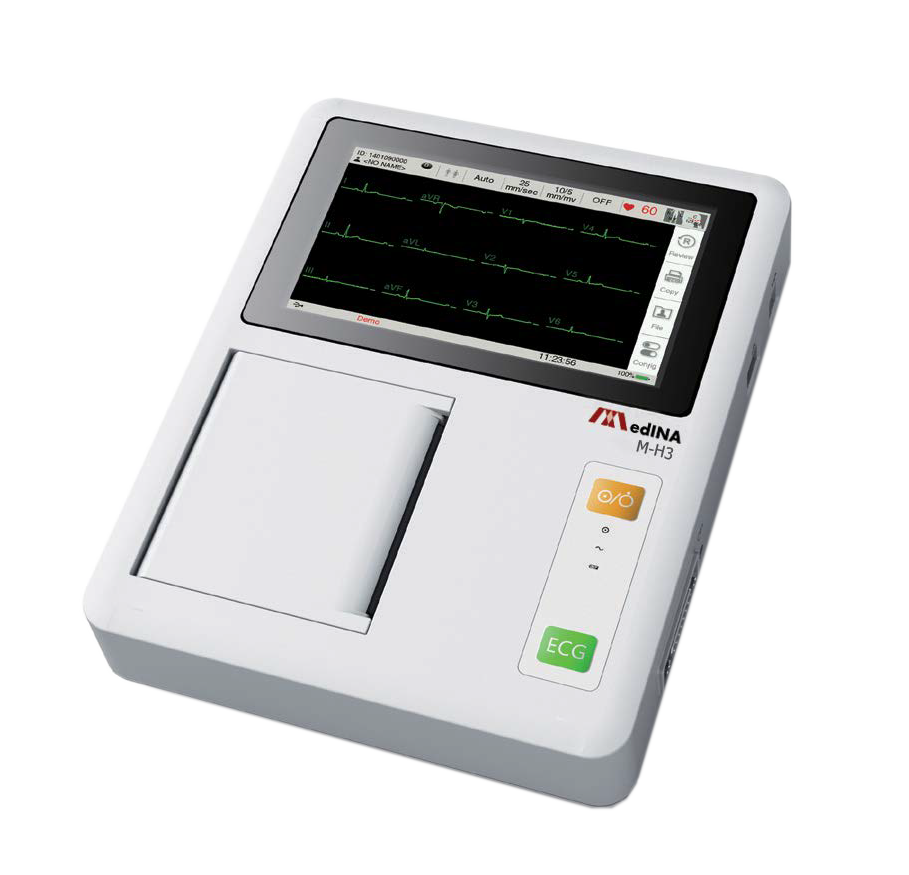
The electrocardiogram (ECG) is a fundamental diagnostic tool in modern medicine, used to assess the electrical activity of the heart. Traditionally, ECGs were recorded on paper, requiring manual interpretation and physical storage. However, with the rise of digital technology, the digital electrocardiogram has revolutionized how hospitals record, store, and interpret cardiac data.
1. Efficient Data Storage and Accessibility
Unlike paper based ECG, digital systems store patient data electronically, allowing healthcare providers to access and review ECG records anytime. This improves workflow efficiency, supports continuity of care, and enables quick comparison of current and past ECGs for trend analysis.
2. Faster Diagnosis and Clinical Decision-Making
With instant data transmission and automated analysis, digital ECG systems significantly reduce the time between test and diagnosis. Physicians can quickly identify life-threatening conditions such as acute myocardial infarction and initiate timely treatment, which is critical for saving lives.
3. Improved Accuracy and Data Quality
Digital ECG systems provide high-resolution recordings that minimize noise and artifacts, resulting in more accurate readings. Automated algorithms can also detect abnormalities such as arrhythmias, ischemia, or myocardial infarction, supporting faster and more precise diagnoses.
4. Remote Monitoring and Telemedicine
Digital ECG technology supports remote cardiac monitoring, enabling healthcare providers to track patients’ heart activity in real time, even outside the hospital. This is especially valuable for patients with chronic heart conditions, post-surgical recovery, or those in rural areas with limited access to medical facilities.
5. Integration with Hospital Information Systems (HIS)
Digital ECGs can be seamlessly integrated with Electronic Health Records (EHR) and Hospital Information Systems (HIS). This integration allows for automatic data entry, reduces manual errors, and facilitates multidisciplinary collaboration among cardiologists, nurses, and other healthcare professionals.
6. Enhanced Patient Experience
Digital ECGs streamline the diagnostic process, minimize waiting time, and reduce the need for repeated tests. The ability to share ECG results instantly with specialists also improves patient confidence and overall care quality.
7. Cost effectiveness and Resource optimization
Although initial investment in digital ECG infrastructure may be high, it leads to long-term cost savings by reducing paper use, storage needs, and maintenance. Moreover, faster diagnosis and improved patient management can lower hospitalization time and associated healthcare costs.
In conclusion, digital electrocardiogram technology in hospitals marks a major advancement in cardiac care. It may enhances diagnostic accuracy, improves efficiency, supports telemedicine, and integrates seamlessly into hospital information systems. As healthcare continues to move toward digital transformation, the digital ECG stands as a cornerstone of modern, patient centered care. (IW 2010)