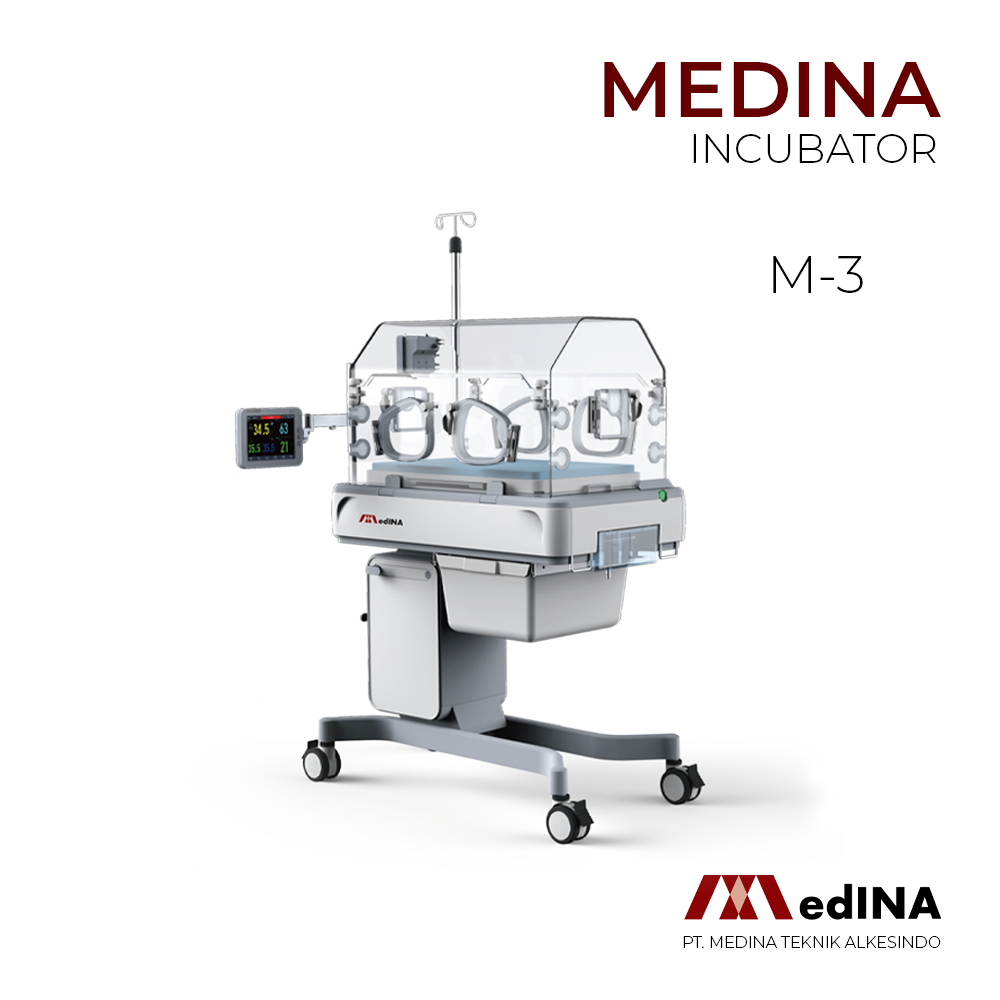
The baby incubator is a specialized medical device designed to maintain optimal conditions, such as temperature, humidity, and oxygen levels for newborns who are premature, underweight, or suffering from health complications. By replicating the mother’s womb like environment, incubators play a crucial role in neonatal intensive care unit (NICU).
Premature birth and neonatal complications are among the leading causes of infant mortality worldwide. To combat these challenges, the baby incubator has become an essential piece of medical equipment, providing a controlled environment where fragile newborns can survive and thrive.
With recent advancements in medical technology, modern incubators are far more sophisticated than their predecessors, offering enhanced safety, comfort, and monitoring capabilities. There are some advanced features of modern Baby Incubators on development, include:
Integrated Vital Sign Monitoring
Modern devices are equipped with real-time monitoring systems that track heart rate, breathing, oxygen saturation, and even blood pressure without invasive procedures.
Wireless Connectivity & Remote Monitoring
With IoT technology, incubators can transmit live data to healthcare providers’ devices, enabling remote monitoring and rapid intervention in case of emergencies.
Smart Temperature and Humidity Control
Advanced incubators use sensors and AI-driven systems to continuously monitor and regulate the environment, ensuring stable warmth and hydration that adapt to the infant’s condition.
Automated Alarms & Safety Systems
In case of sudden changes in vital signs, temperature, or oxygen supply, the incubator sends alerts to medical staff, ensuring immediate response.
Noise and Light Regulation
To mimic the calmness of the womb, incubators are designed with noise-canceling technology and controlled lighting systems, reducing stress for premature babies and supporting neurological development.
Energy Efficiency & Portability
Newer models are designed to be more energy-efficient and portable, making them valuable in low-resource settings and emergency transport situations.
Parent-Infant Bonding Features
Some advanced incubators include cameras for virtual visitation and specialized openings that allow parents to safely touch and bond with their babies without compromising the sterile environment.
The Benefits of Advanced Baby Incubators:
Increased survival rates for premature and critically ill newborns
Reduced infection risk through sterile, controlled environments
Enhanced parental involvement through safe interaction and remote access
Improved long-term health outcomes due to precise monitoring and care
These innovations aim not only to keep babies alive but also to give them the healthiest possible start in life. Research is currently exploring AI-driven predictive care, artificial womb technology, and 3D imaging systems that could revolutionize how premature babies are treated. As technology continues to evolve, the future of neonatal care looks promising (IW 2508)