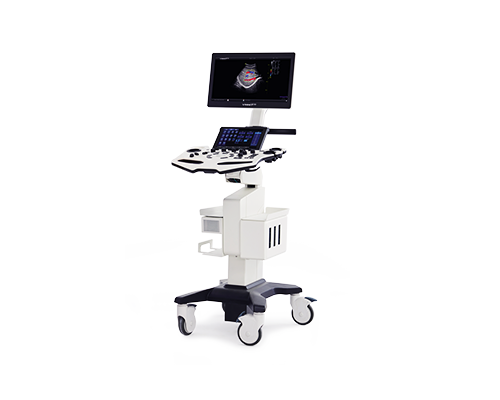
Ultrasound imaging or Ultrasonography, has become an essential tool in modern obstetrics. It uses high frequency sound waves to create images of the developing fetus inside the womb.
Ultrasound is non invasive, painless, and considered safe for both the mother and the fetus. Unlike other imaging methods, it does not use ionizing radiation, making it ideal for repeated use during pregnancy.
One of its most critical roles is the early detection of fetal abnormalities, which can greatly influence pregnancy management and outcomes.
Ultrasound can identify structural abnormalities as early as the first trimester, typically between 11 and 14 weeks. A detailed anatomy scan around 18 to 22 weeks is the standard time to check for conditions such as neural tube defects, congenital heart defects, cleft lip, limb deformities, and abdominal wall abnormalities. Early detection allows parents and healthcare providers to plan for necessary medical care, interventions, or delivery at a specialized center.
Beyond structural abnormalities, ultrasound helps track fetal growth, amniotic fluid levels, and placenta position, all of which are vital for ensuring a healthy pregnancy. Abnormalities in these areas may also indicate underlying conditions requiring further investigation.
Ultrasound can also assist in identifying markers associated with genetic syndromes such as Down syndrome. For example, increased nuchal translucency or certain heart defects may indicate the need for further testing, such as amniocentesis or cell free DNA analysis.
In conclusion, Ultrasound may plays a crucial role in modern prenatal care. By detecting fetal abnormalities early and safely, it empowers healthcare providers and parents to make informed decisions, improving both maternal and neonatal outcomes. As technology continues to evolve, ultrasound remains a cornerstone in safeguarding the health of unborn babies. (IW 2107)