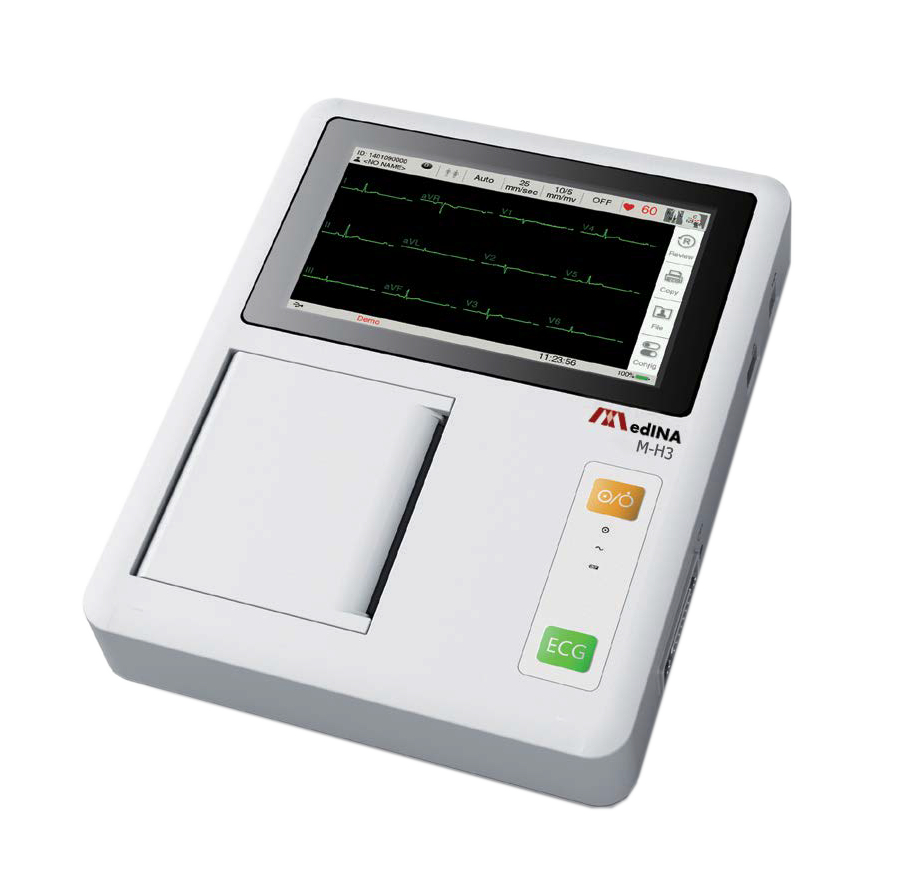
An electrocardiogram is a non-invasive test that records the electrical activity of the heart over a period of time using electrodes placed on the skin. The ECG graphically displays the timing and pattern of each Heartbeat, which may helps physicians detect abnormalities in rhythm and conduction.
Atrial fibrillation (AF) is a common cardiac arrhythmia characterized by an irregular and often rapid Heartbeat. Early detection and diagnosis are critical to managing symptoms and preventing complications such as Heart Failure and Stroke. One of the most reliable tools for diagnosing Atrial Fbrillation is the electrocardiogram (ECG).
ECG Identifies Atrial Fibrillation:
Atrial fibrillation produces distinct patterns on an ECG, making it a valuable diagnostic tool. Key features that indicate AF, include:
Irregularly irregular rhythm
There is no predictable pattern to the heartbeats.
Absence of P waves
Normal atrial contractions are represented by P waves, which are absent in AF due to chaotic electrical activity in the atria.
Variable ventricular response
The intervals between heartbeats (R-R intervals) vary, reflecting the erratic conduction from the atria to the ventricles.
In some cases, a standard 12-lead ECG is sufficient to confirm the diagnosis. However, if AF is paroxysmal (intermittent), longer monitoring using a Holter monitor, event recorder, or wearable ECG device may be necessary.
Advantages of ECG for AF Diagnosis:
Quick and accessible
ECGs are widely available in clinics and emergency settings.
Accurate and definitive
It provides clear evidence of AF, especially when recorded during an episode.
Non-invasive and painless
The test does not require any incisions or injections.
As conclusion, Electrocardiography (ECG) is a cornerstone in the diagnosis of atrial fibrillation. By detecting the hallmark features of AF, an ECG enables timely intervention, risk assessment, and management strategies that improve patient outcomes. For individuals with symptoms such as palpitations, fatigue, or shortness of breath, an ECG can be the first crucial step toward identifying and treating this common arrhythmia. (IW 1407)