Hospital-acquired infections (HAIs), also known Nosocomial infections as are a major concern in healthcare settings. These infections not only increase patient morbidity and mortality but also contribute to prolonged hospital stays and increased healthcare costs. One critical yet sometimes overlooked source of pathogen transmission is hospital equipment, particularly electric hospital beds.
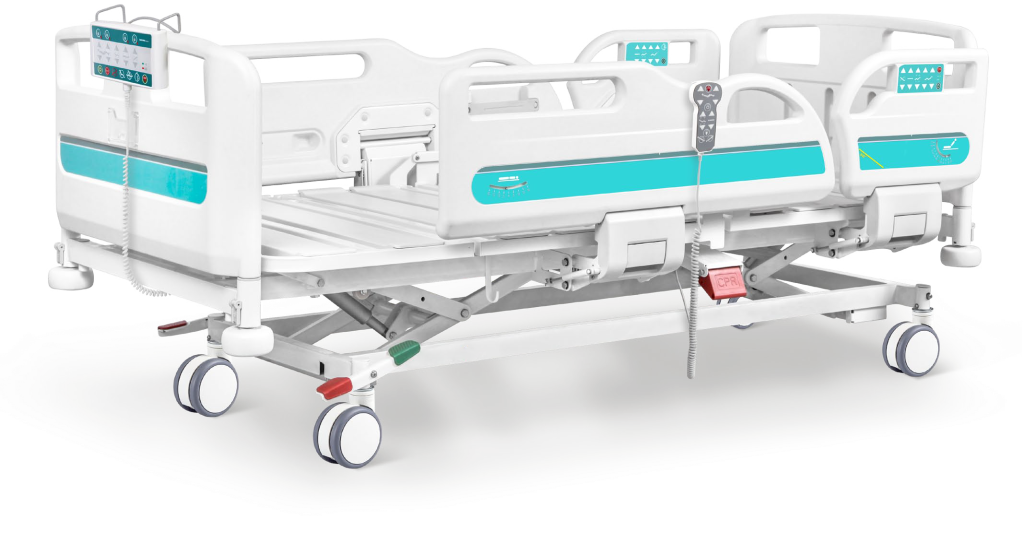
Electric hospital beds, while designed for patient comfort and ease of care, contain multiple surfaces and components that can harbor pathogens. Bed rails, remote controls, motor housings, and mattress platforms are all touchpoints for patients, healthcare workers, and visitors.
Improper or inconsistent cleaning of these areas may lead to the accumulation of microbes, including multidrug-resistant organisms (MDROs) such as MRSA, VRE, and Clostridium difficile.
Due to their frequent and close contact with patients, maintaining the cleanliness of electric hospital beds is essential to infection control protocols.
To effectively prevent HAI infections, These Hospitals must implement a standardized cleaning and disinfection protocol.
The cleaning process should include the following steps, include:
1. Preparation
Ensure the bed is unplugged and powered off before cleaning.
Wear appropriate personal protective equipment (PPE), such as gloves and gowns.
Remove any bedding, pillows, and mattress covers for separate laundering.
2. Manual Cleaning
Use a detergent or enzymatic cleaner to remove visible soil and organic material from all bed surfaces.
Clean both the top and underside of the bed frame, as well as caster wheels and brake mechanisms.
Pay special attention to high-touch areas: side rails, control buttons, head and foot boards, bed frame joints, and handsets.
3. Disinfection
Apply an EPA-registered hospital-grade disinfectant with proven efficacy against common nosocomial pathogens.
Follow the manufacturer’s recommended contact time to ensure effectiveness.
Use wipes or cloths that will not damage the bed’s electrical components or painted surfaces.
4. Drying and Inspection
Allow all surfaces to air dry completely or wipe dry using a clean cloth.
Inspect the bed for any signs of wear or damage that could interfere with cleaning.
Check and confirm that all mechanical and electrical parts are functioning properly after cleaning.
5. Training & Documentation
Train housekeeping and nursing staff regularly on updated cleaning procedures and product usage.
Maintain logs of bed cleaning and disinfection, especially between patient uses.
There are some considerations for Infection Prevention, such:
Use bed covers that are fluid-resistant and easy to clean.
Implement color-coded cleaning cloths or equipment to reduce cross-contamination.
Use ultraviolet (UV) disinfection or hydrogen peroxide vapor systems as adjunct technologies in high-risk areas.
As conclusion, The electric hospital beds are integral to patient care, but they can also act as vectors for the transmission of HAI infections if not properly maintained. A thorough, consistent, and well-documented cleaning process is crucial in minimizing infection risk. (IW 2306)