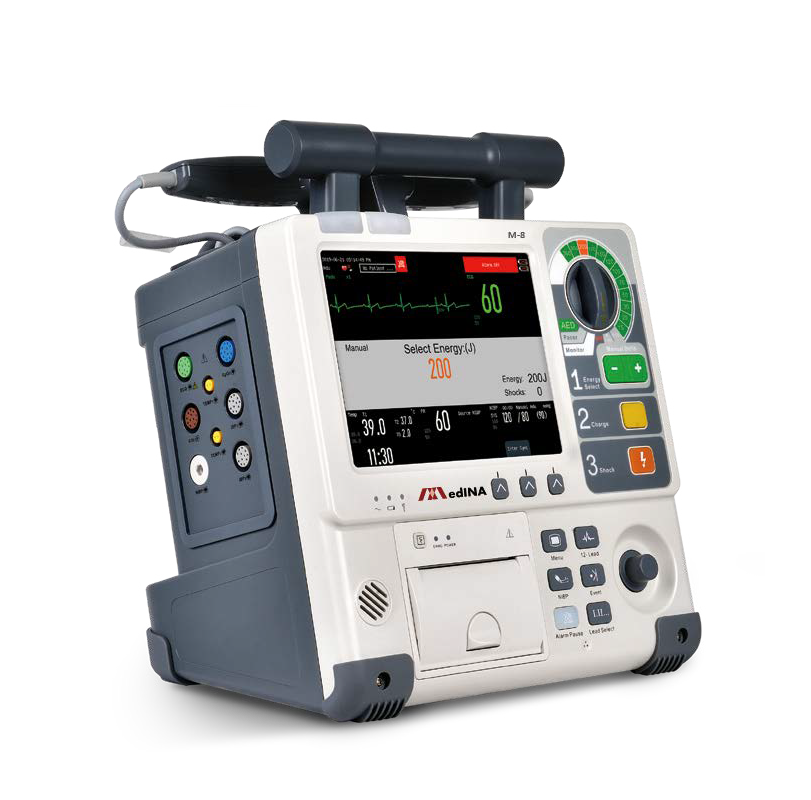
Ventricular tachycardia (VT) is a potentially life threatening heart rhythm disorder that originates in the ventricles, the lower chambers of the heart. Characterized by a rapid heartbeat, VT can lead to decreased Cardiac output, fainting, or even Sudden cardiac arrest.
One of the most effective tools in managing and preventing fatal outcomes from VT is the Defibrillator.
A defibrillator is a medical device designed to deliver an electric shock to the heart. This shock helps to restore a normal rhythm when the heart is experiencing life-threatening arrhythmias, such as Ventricular tachycardia or Ventricular fibrillation.
There are several types of defibrillators, including:
- Automated External Defibrillator (AED): Used in emergencies by laypersons or first responders.
- Implantable Cardioverter Defibrillator (ICD): Surgically placed in patients at high risk of VT or sudden cardiac death.
- Wearable Cardioverter Defibrillators (WCD): Temporary, non invasive option for short term protection.
During VT, the heart beats too fast to effectively pump blood. If sustained, this can result in severe consequences. A defibrillator monitors the heart’s rhythm and delivers a shock when necessary to interrupt the abnormal electrical activity and restore normal rhythm.
Some benefits of using a Defibrillator for Ventricular Tachycardia, such:
- Life-Saving Intervention:
Defibrillators can immediately terminate dangerous arrhythmias, significantly reducing the risk of sudden cardiac death. - Continuous Monitoring:
ICDs continuously monitor the heart and respond automatically, offering 24/7 protection. - Improved Quality of Life:
Knowing that a defibrillator is in place can give patients peace of mind and enable them to resume normal activities with reduced anxiety. - Early Detection and Data Collection:
ICDs record arrhythmic events, allowing doctors to review data and make better-informed treatment decisions. - Temporary Protection for At-Risk Patients:
Wearable defibrillators are a useful short-term solution for patients who are not immediate candidates for an ICD.
In conclusion, Ventricular tachycardia is a serious condition that requires prompt and effective treatment. Defibrillator particularly implantable ones have transformed the management of this arrhythmia, providing a reliable, life saving intervention. Whether for emergency response or long term protection, defibrillators remain a cornerstone in the battle against sudden cardiac arrest due to VT. (IW 2104)