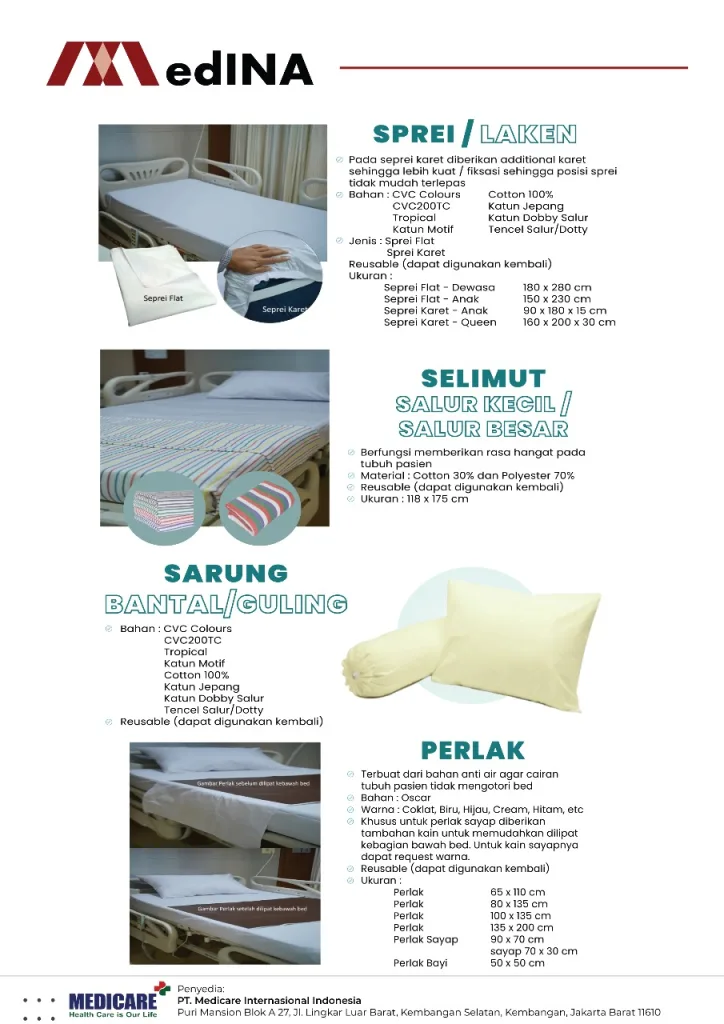
Hospitals rely on efficient linen services to maintain cleanliness, promote hygiene and ensure patient comfort. The management of hospital linens is crucial in preventing infections and ensuring a smooth operational workflow.
Linen Management Process
The hospital linen service follows a systematic process:
Collection:
Used linens are collected from patient rooms, operation theaters, and other hospital areas.
Sorting:
Linens are sorted based on contamination levels and fabric types.
Washing and Sterilization:
Hospital-grade washing procedures involve disinfecting linens at high temperatures with approved detergents. This process is crucial in killing pathogens and reducing the risk of cross-contamination.
Inspection and Repair:
Linens are inspected for stains, tears, or wear. Reusable linens are repaired if necessary.
Storage and Distribution:
Clean linens are stored under hygienic conditions and distributed to various hospital departments as needed.
Role of Linen Service in Healthcare
A well-managed linen service plays a vital role in a hospital’s daily operations. Some functions of hospital linen service include:
Hygiene and Infection Control:
Proper laundering and sterilization of linens help prevent the spread of infections. Hospitals must adhere to strict laundry protocols, including high-temperature washing and chemical disinfection. Clean linens reduce the risk of healthcare-associated infections (HAIs) and contribute to a safer patient environment.
Patient Comfort:
Clean and high-quality linens contribute to patient satisfaction. Fresh bed sheets, towels, and gowns enhance a patient’s overall experience.
Operational Efficiency:
A seamless linen service ensures the timely supply of clean linens, reducing disruptions in hospital activities. Efficient inventory management and scheduled linen distribution improve workflow.
Cost Management:
Proper handling, laundering, and replacement of linens help hospitals manage costs effectively. Preventing linen loss and damage ensures budget optimization.
Best Practices for Effective Linen Service
To enhance hospital linen service efficiency, hospitals can adopt the following best practices:
Staff Training:
Educating hospital staff on proper linen handling and usage minimizes waste and promotes infection control.
Sustainable Practices:
Implementing eco-friendly washing methods and reducing water consumption support sustainability efforts.
Use of RFID Technology:
Implementing RFID tracking helps monitor linen usage and prevent loss.
Outsourcing Laundry Services:
Many hospitals partner with professional laundry services for better efficiency and compliance with hygiene standards.
As conclusion, an efficient linen service is essential for maintaining hygiene, patient comfort, and hospital operations. By implementing best practices, hospitals can improve linen management, reduce costs, and enhance overall healthcare quality. Proper linen service is not just about cleanliness. It is a critical component of patient care and safety.
Effective infection control measures in linen management significantly contribute to reducing hospital-acquired infections and ensuring a safer healthcare environment. (IW 2402)