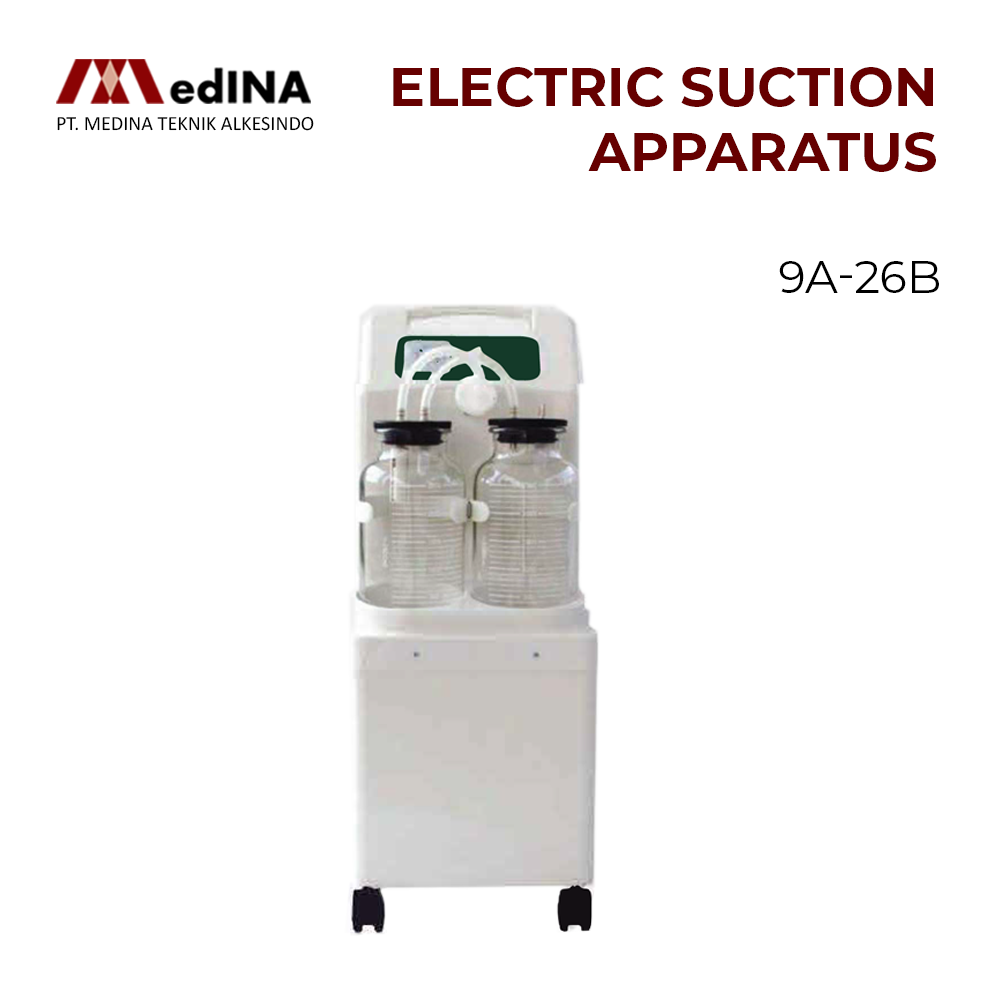
Suction devices are critical tools in medical procedures, used to clear airways, remove bodily fluids, and maintain a sterile field.
Some components of Medical Suction Devices:
- Vacuum Pump
- Creates the suction force necessary to remove fluids
- Can be electrically or manually operated
- Collection Canister
- Collects the fluids removed from the patient
- Must be sealed and have a capacity suited to the procedure
- Tubing
- Connects the suction tip to the collection canister and pump
- Must be flexible, durable, and properly sealed to prevent leaks
- Pressure Regulator
- Controls the suction pressure to prevent tissue damage
- Essential for delicate procedures and pediatric use
- Suction Tips or Catheters
- The interface between the device and the patient
- Designed for specific procedures and body parts
Types of Medical Suction Devices:
- Portable Suction Devices
- Description: Small, lightweight units that can be easily transported
- Applications: Emergency medical services (EMS), home healthcare, and in-field use
- Features: Battery-operated, compact, easy to clean and maintain
- Wall-Mounted Suction Devices
- Description: Fixed units connected to a hospital’s central vacuum system
- Applications: Operating rooms, intensive care units (ICU), and emergency rooms
- Features: Reliable suction power, constant operation, adjustable pressure settings
- Handheld Suction Devices
- Description: Manual or battery-operated devices designed for quick and temporary use
- Applications: Immediate airway clearance in emergency situations
- Features: Lightweight, simple to operate, and disposable or easy to sterilize
Considerations for use this Medical suction:
- Sterilization and Hygiene
- Ensuring all components are sterile to prevent infections
- Use of disposable parts where possible
- Patient Safety
- Monitoring suction pressure to avoid tissue damage
- Using appropriate size and type of suction catheter or tip
- Device Maintenance
- Regular checks and maintenance of suction devices to ensure functionality
- Timely replacement of worn or disposable parts
- The Proper Training
- Medical personnel must be trained in the correct use of suction devices
- Understanding pressure settings and catheter insertion techniques
Conclusion, The Medical suction devices are indispensable in a variety of healthcare settings. Their proper use and maintenance are crucial for patient safety and effective treatment. Advances in technology continue to improve the efficiency and ease of use of these devices, making them an essential component of modern medical care (IW 0107).