Bronchopulmonary dysplasia (BPD) is a chronic lung disorder primarily affecting premature neonates who require prolonged mechanical ventilation and oxygen therapy. BPD develops in preterm infants, particularly those with a birth weight of less than 1,500 grams or gestational age below 30 weeks, who have received oxygen therapy to treat Respiratory Distress Syndrome (RDS).
The pathogenesis of BPD involves multifactorial elements including inflammation, oxygen toxicity, ventilator-induced lung injury, and an immature lung structure. Symptoms of BPD include respiratory distress, oxygen dependency beyond 28 days postnatal, and abnormal radiographic findings.
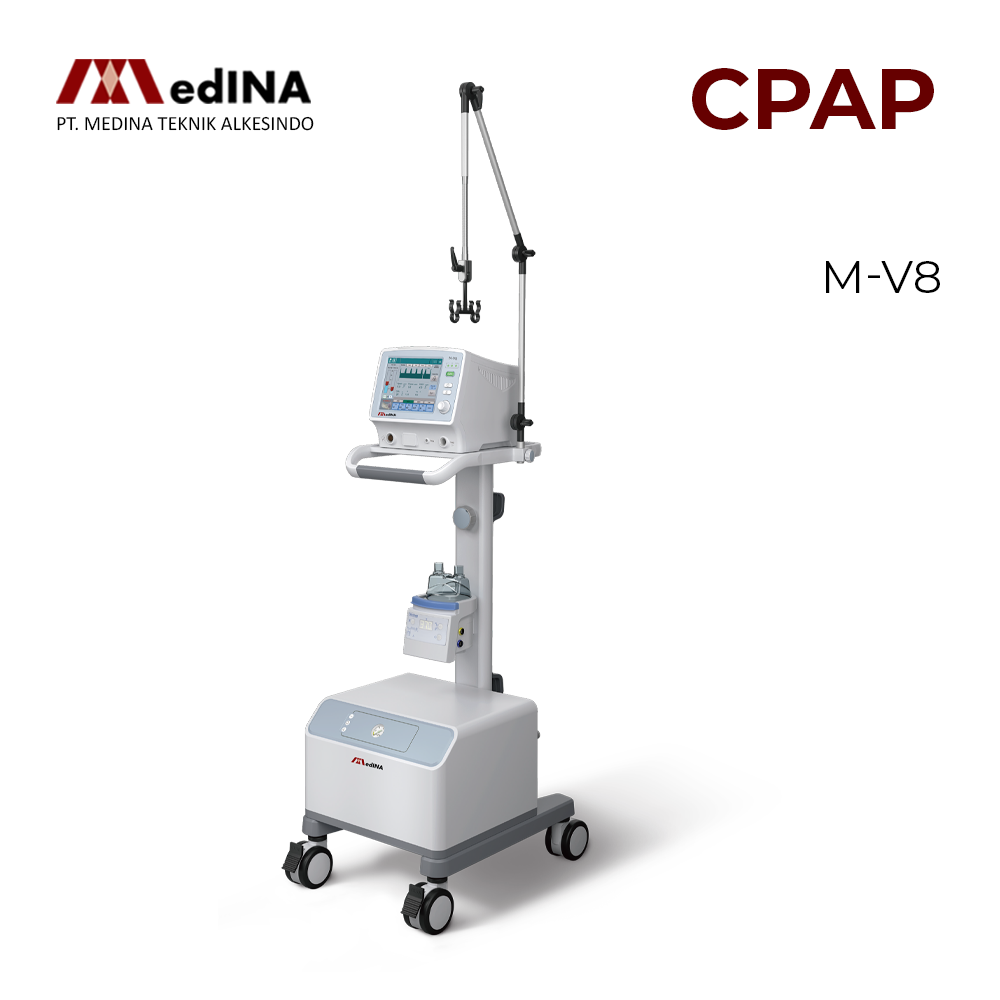
Continuous Positive Airway Pressure (CPAP) is a critical non-invasive respiratory support technique widely used in managing and preventing BPD in this vulnerable population. CPAP works by delivering continuous positive airway pressure throughout the respiratory cycle, helping to keep the airways open and prevent alveolar collapse.
The application of CPAP in Neonatal Intensive Care Unit (NICU) requires careful consideration of various factors to optimize outcomes, such :
Timing:
Early initiation of CPAP, preferably in the delivery room or soon after birth, can significantly impact the prevention of BPD. Early CPAP helps stabilize the premature infant’s breathing, reducing the need for intubation and mechanical ventilation.
Settings:
The pressure settings for CPAP typically range from 4 to 6 cm H₂O, adjusted based on the infant’s response and clinical condition. The goal is to use the lowest effective pressure to avoid potential complications like pneumothorax.
Monitoring:
Continuous monitoring of respiratory parameters, blood gases, and chest X-rays is essential to ensure the efficacy and safety of CPAP therapy. Close observation helps in timely adjustments and prevents complications.
Equipment:
Various CPAP systems, including bubble CPAP, ventilator-derived CPAP, and nasal CPAP, are available. The choice of equipment depends on the NICU’s resources and the specific needs of the neonate.
This CPAP offers several advantages in managing and preventing BPD in premature neonates, include:
Reduction of Ventilator-Induced Lung Injury (VILI):
Traditional mechanical ventilation, though effective, can cause significant lung injury due to high pressures and volumes. CPAP, being a non-invasive method, minimizes the risk of VILI, thereby reducing the incidence of BPD.
Enhanced Functional Residual Capacity (FRC):
CPAP maintains a constant positive pressure in the airways, improving FRC and gas exchange. This results in better oxygenation and reduced work of breathing for neonates.
Promotion of Alveolar Growth:
By preventing alveolar collapse and maintaining lung volume, CPAP supports better alveolar development and lung growth, crucial for the immature lungs of preterm infants.
Reduced Need for Supplemental Oxygen:
Effective CPAP therapy can reduce the need for high concentrations of supplemental oxygen, decreasing the risk of oxygen toxicity.
Precaution & consideration on CPAP therapy
Despite the benefits, CPAP therapy in premature neonates comes with challenges that need addressing:
Nasal Trauma:
Prolonged use of nasal prongs or masks can lead to nasal trauma and pressure sores. Regular assessment and care of the skin, along with alternating devices, can mitigate this risk.
CPAP Failure:
Not all neonates respond to CPAP. Factors such as severe lung immaturity or significant respiratory effort might necessitate escalation to mechanical ventilation. Identifying candidates for CPAP failure early can prevent adverse outcomes.
Training and Protocols:
Effective CPAP management requires well-trained staff and standardized protocols to ensure consistency and quality of care.
As Conclusion, CPAP therapy plays a pivotal role in the management and prevention of BPD in premature neonates. By providing a non-invasive means of respiratory support, CPAP helps minimize lung injury, promote lung development, and reduce oxygen dependency. While challenges exist, careful implementation and vigilant monitoring can maximize the benefits of CPAP, ultimately improving the outcomes for premature infants at risk of BPD. As research and technology advance, further refinement of CPAP techniques and protocols will continue to enhance the care of this vulnerable population (IW1006)